
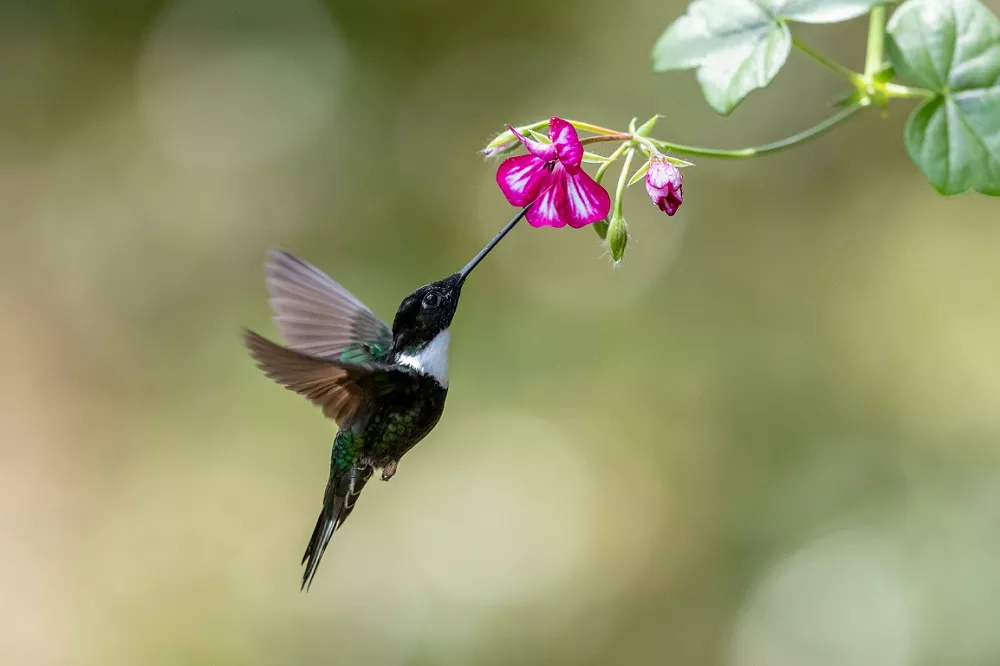
Hummingbirds are among the most fascinating birds in the world. Their dazzling colors, incredible flying abilities, and energetic behavior make them a favorite among bird enthusiasts. If you want to attract these tiny aerial acrobats to your backyard, providing homemade hummingbird food is one of the most effective and affordable ways to do it.
Many people assume that commercial nectar products are necessary, but the truth is that homemade hummingbird food is simple to make, safe for the birds, and closely mimics the natural nectar they consume from flowers. By preparing your own nectar, you can ensure that hummingbirds receive a clean, healthy energy source without unnecessary additives.
In this guide, you will learn exactly how to make hummingbird food, the correct sugar-to-water ratio, common mistakes to avoid and feeding tips.
Why Do Hummingbirds Need Nectar?
Hummingbirds have one of the fastest metabolisms in the animal kingdom. Their wings can beat up to 60 – 80 times per second, and they burn a tremendous amount of energy every day.
To fuel their active lifestyle, hummingbirds consume:
- Flower nectar
- Tree sap
- Small insects
- Spiders
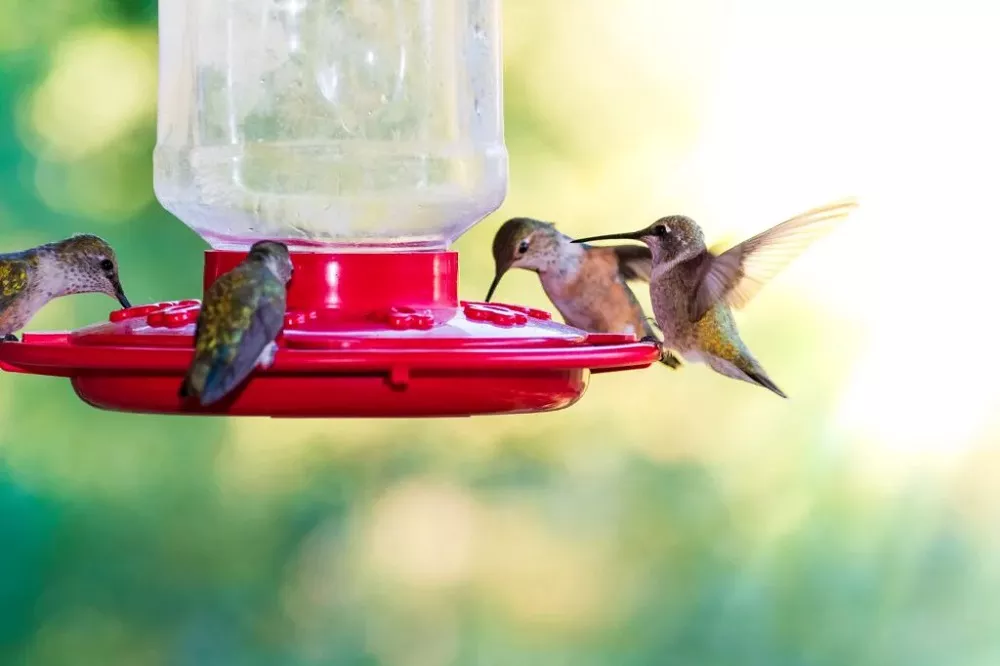
- Homemade nectar from feeders
Nectar provides carbohydrates, which serve as their primary energy source. While insects provide protein and nutrients, sugar-rich nectar supplies the fuel they need for flight.
Providing nectar feeders can help hummingbirds, especially during migration periods and times when natural flowers are scarce.
What Is the Best Hummingbird Food Recipe?
The best hummingbird food recipe is simple:
The Standard Hummingbird Nectar Recipe
Ingredients
- 1 part white granulated sugar
- 4 parts water
Example Measurements
| Sugar | Water |
|---|---|
| 1/4 cup | 1 cup |
| 1/2 cup | 2 cups |
| 1 cup | 4 cups |
| 2 cups | 8 cups |
This 1:4 ratio closely resembles the sugar concentration found in many nectar-producing flowers.
How to Make Hummingbird Food Step by Step
Step 1: Measure the Ingredients
Measure four parts water to one part white granulated sugar.
Accuracy matters because nectar that is too concentrated can be difficult for hummingbirds to digest, while nectar that is too diluted may not provide enough energy.
Example:
- 4 cups water
- 1 cup sugar
Step 2: Boil the Water
Bring the water to a rolling boil.
Boiling serves two important purposes:
- Dissolves the sugar completely
- Kills bacteria and microorganisms
Once the water reaches a boil, remove it from heat.
Step 3: Add the Sugar
Pour the measured sugar into the hot water.
Stir continuously until the sugar dissolves completely. The solution should appear clear without any visible sugar crystals.
Step 4: Allow the Nectar to Cool
Never pour hot nectar into a hummingbird feeder.
Allow the solution to cool to room temperature before filling your hummingbird feeder.
Hot nectar can damage feeders and may harm visiting birds.
Step 5: Fill Your Feeder
Carefully pour the cooled nectar into a clean hummingbird feeder.
Avoid overfilling to reduce spills and insect attraction.
Once filled, place the feeder outdoors in a suitable location.
Step 6: Store Extra Nectar
Any unused nectar can be stored in a sealed container in the refrigerator.
Homemade hummingbird nectar typically remains fresh for up to one week when refrigerated.
Always discard nectar if it develops:
- Cloudiness
- Mold
- Unusual odor
- Floating debris
Why Should You Use White Sugar?
Many people wonder whether alternative sweeteners are safe for hummingbirds.
The answer is simple.
White Granulated Sugar Is Best
White table sugar (sucrose) closely resembles the natural sugars found in flower nectar.
It is:
- Safe
- Easy to digest
- Inexpensive
- Widely available
Bird experts and wildlife organizations consistently recommend plain white sugar.
Ingredients You Should Never Use
Some ingredients may seem healthy for humans but can be dangerous for hummingbirds.
Avoid Honey
Honey can encourage fungal growth.
It may lead to dangerous infections in hummingbirds.
Avoid Brown Sugar
Brown sugar contains molasses and minerals that hummingbirds are not adapted to process.
Avoid Artificial Sweeteners
Products such as:
- Stevia
- Saccharin
- Aspartame
- Sucralose
provide little or no nutritional value.
Hummingbirds need real sugar for energy.
Avoid Raw Sugar
Raw sugar contains impurities and minerals that are not ideal for hummingbirds.
Avoid Corn Syrup
Corn syrup does not match natural nectar composition and offers limited nutritional benefits.
Should You Add Red Food Coloring?
No, Never Add Red Dye
One of the most common myths about hummingbird feeding is that nectar should be colored red.
This is unnecessary and potentially harmful.
Hummingbirds are attracted to:
- Red feeder parts
- Red flowers
- Bright colors
The nectar itself should always remain clear.
Many bird experts recommend avoiding artificial dyes because their long-term effects on hummingbirds are not fully understood.
A feeder with red accents is enough to attract birds.
How Often Should You Change Hummingbird Food?
Fresh nectar is critical for hummingbird health.
The frequency depends largely on outdoor temperatures.
Spoiled nectar can develop:
- Mold
- Bacteria
- Fermentation
These can make hummingbirds sick.
Recommended Schedule
Cool Weather (Below 70°F / 21°C)
Change nectar every 4–5 days.
Mild Weather (70–80°F / 21–27°C)
Change nectar every 2–3 days.
Hot Weather (Above 80°F / 27°C)
Change nectar every 1–2 days.
High temperatures (Above 90°F / 32°C)
Inspect feeders daily and replace nectar as needed.
Warm weather accelerates fermentation and bacterial growth.
If the nectar looks cloudy, discard it immediately.
How to Clean a Hummingbird Feeder Properly
Cleaning is just as important as providing fresh nectar.
Supplies Needed
- Warm water
- Bottle brush
- Small cleaning brush
- White vinegar (optional)
Avoid using strong soaps whenever possible, as residue may remain inside the feeder.
Cleaning Process
- Empty old nectar.
- Disassemble the feeder.
- Rinse thoroughly with warm water.
- Scrub all feeding ports.
- Remove mold or residue.
- Rinse repeatedly.
- Allow components to dry before refilling.
A clean feeder helps prevent disease transmission among visiting birds.
Where Should You Place a Hummingbird Feeder?
Proper feeder placement can significantly increase hummingbird visits.
Choose Partial Shade
Feeders placed in partial shade help keep nectar fresh longer.
Excessive sunlight accelerates spoilage.
Position Near Flowers
Hummingbirds are naturally attracted to flowering plants.
Good companion flowers include:
- Bee balm
- Salvia
- Trumpet vine
- Cardinal flower
- Columbine
- Fuchsia
Provide Nearby Perches
Hummingbirds often rest between feeding sessions.
Trees, shrubs, and small branches provide convenient perching locations.
Keep Feeders Visible
Hang feeders where birds can easily spot them from the air.
Red accents can improve visibility.
When Should You Put Out Hummingbird Feeders?
Timing depends on your location.
Spring Migration
Put feeders out about one to two weeks before hummingbirds typically arrive in your region.
Early migrants appreciate readily available food sources.
Fall Migration
Keep feeders available until hummingbirds have completely departed.
Many people worry that feeders delay migration.
Research shows that feeders do not prevent migration. Instead, they provide important fuel for birds preparing for long journeys.
Conclusion
Making hummingbird food is simple, affordable, and one of the best ways to support these fascinating birds. The recipe is simple: mix one part white sugar with four parts water, allow it to cool, and serve it in a clean feeder. By avoiding harmful ingredients, changing nectar regularly, and maintaining proper feeder hygiene, you can create a safe feeding station that hummingbirds will visit again and again.
Frequently Asked Questions
Can I Make Hummingbird Food Without Boiling Water?
Boiling is recommended because it helps dissolve sugar and reduces contamination. However, if you use clean drinking water and dissolve the sugar completely, the nectar can still be used safely.
Can Hummingbirds Drink Cold Nectar?
Yes. Nectar stored in the refrigerator can be used after it returns closer to outdoor temperature, but hummingbirds generally tolerate cool nectar without issue.
Is Organic Sugar Safe?
Some organic sugars may contain trace amounts of molasses. Standard white granulated sugar remains the safest and most recommended choice.
How Long Does Homemade Hummingbird Food Last?
- Up to one week in the refrigerator.
- Only a few days outdoors, depending on temperature.
Can I Freeze Extra Nectar?
Yes. Homemade nectar can be frozen in small portions and thawed when needed.
 Facebook
  Instagram
  Youtube
 Spanish
  English