
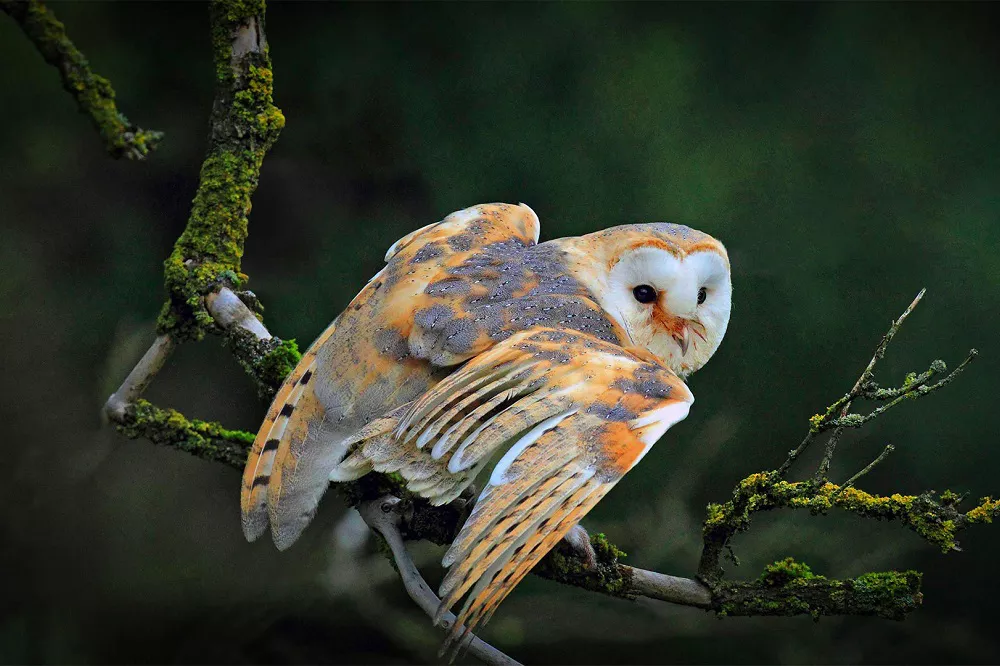
The Barn Owl (Tyto alba) is one of the world’s most recognizable and widely distributed owl species. With its distinctive heart-shaped face, ghostly white plumage, and nearly silent flight, the Barn Owl has fascinated humans for thousands of years.
Unlike many other owls, the Barn Owl belongs to the Tytonidae family rather than the Strigidae family (true owls). It is found on every continent except Antarctica, making it one of the world’s most widespread bird species.
This guide covers everything you need to know about the Barn Owl, including its appearance, habitat, diet, behavior, breeding, conservation status, and interesting facts.
Barn Owl Quick Facts
| Feature | Details |
|---|---|
| Scientific Name | Tyto alba |
| Common Name | Barn Owl |
| Family | Tytonidae |
| Order | Strigiformes |
| Size | 33–39 cm (13–15 in) |
| Wingspan | 80–95 cm (31–37 in) |
| Weight | 250–700 g |
| Lifespan | 4–10 years in the wild (some live over 15 years) |
| Diet | Rodents, small mammals, birds, reptiles, insects |
| Habitat | Grasslands, farmland, open woodland, marshes |
| Conservation Status | Least Concern (IUCN) |
| Active Time | Nocturnal |
what does a barn owl look like
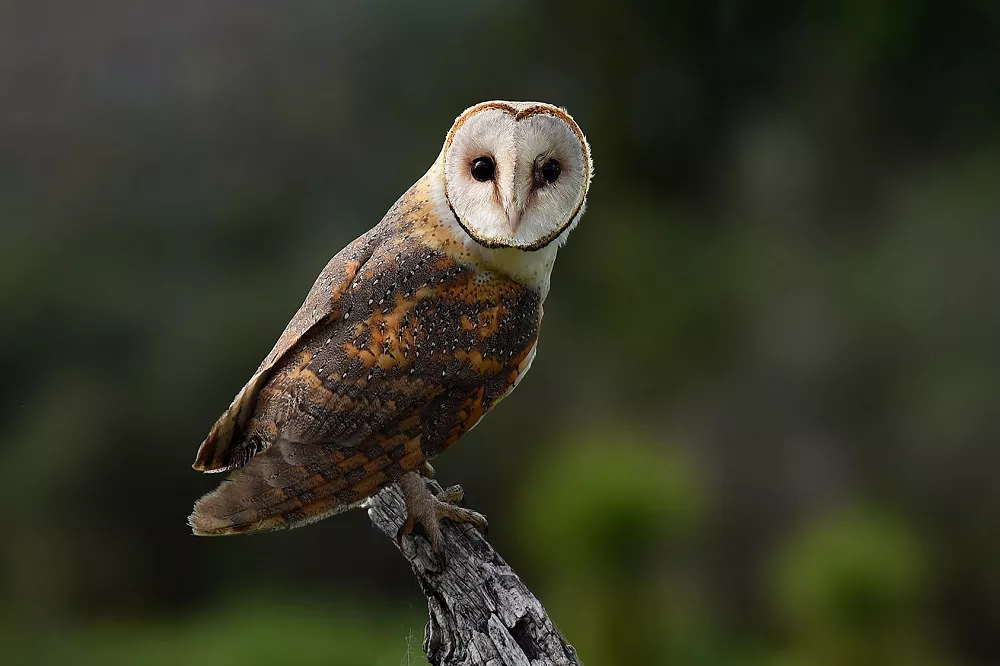
What Does a Barn Owl Look Like?
Barn Owls have a unique appearance that makes them easy to identify.
Heart-Shaped Face
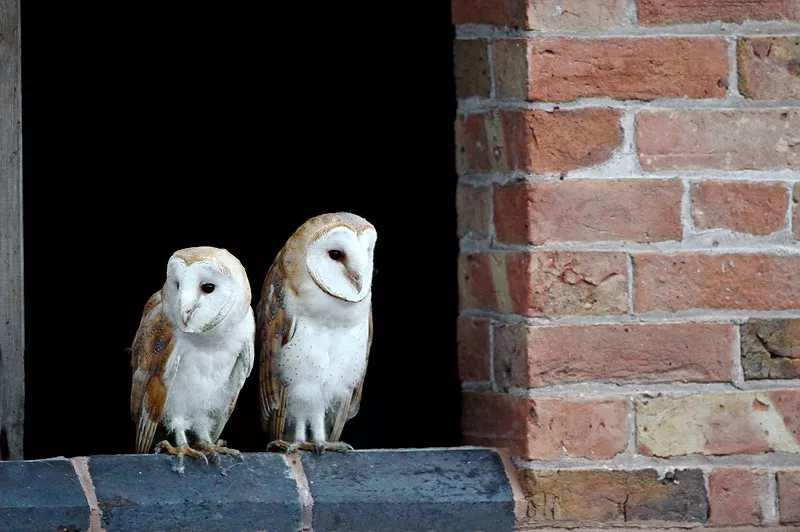
The most famous feature of the Barn Owl is its white, heart-shaped facial disk. This special facial structure helps collect and direct sound toward the ears, allowing the owl to locate prey even in very low light.
Feather Colors
A typical Barn Owl has:
- A white or pale heart-shaped face
- Dark eyes
- Golden-brown feathers on the back
- White underparts
- Long legs covered partly with feathers
Their pale appearance and silent nighttime flight have led to nicknames such as “ghost owl.”
Male vs Female Barn Owls
Male and female Barn Owls look very similar, but females are usually:
- Slightly larger
- More heavily spotted on the chest and wings
- Slightly darker in coloration
These differences are subtle and usually require close observation.
where do barn owls live
Where Do Barn Owls Live?
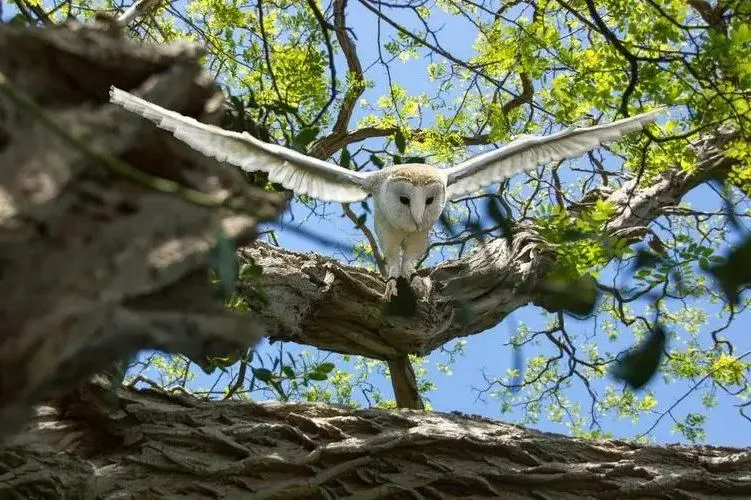
Barn Owls have one of the widest distributions of any owl species. They are found across Europe, Asia, Africa, North America, South America, and Australia.
They prefer open habitats rather than dense forests.
Preferred Barn Owl Habitats
Common habitats include:
Farmland
Agricultural areas provide excellent hunting grounds because fields often support large populations of mice and voles.
Grasslands and Meadows
Tall grasses offer hiding places for small mammals, making these areas ideal feeding locations.
Wetlands
Marshes and river edges can provide rich prey sources.
Rural Buildings
Despite their name, Barn Owls do not only live in barns. They often nest in:
- Old farm buildings
- Church towers
- Tree cavities
- Rock crevices
- Nest boxes
what do barn owls like to eat
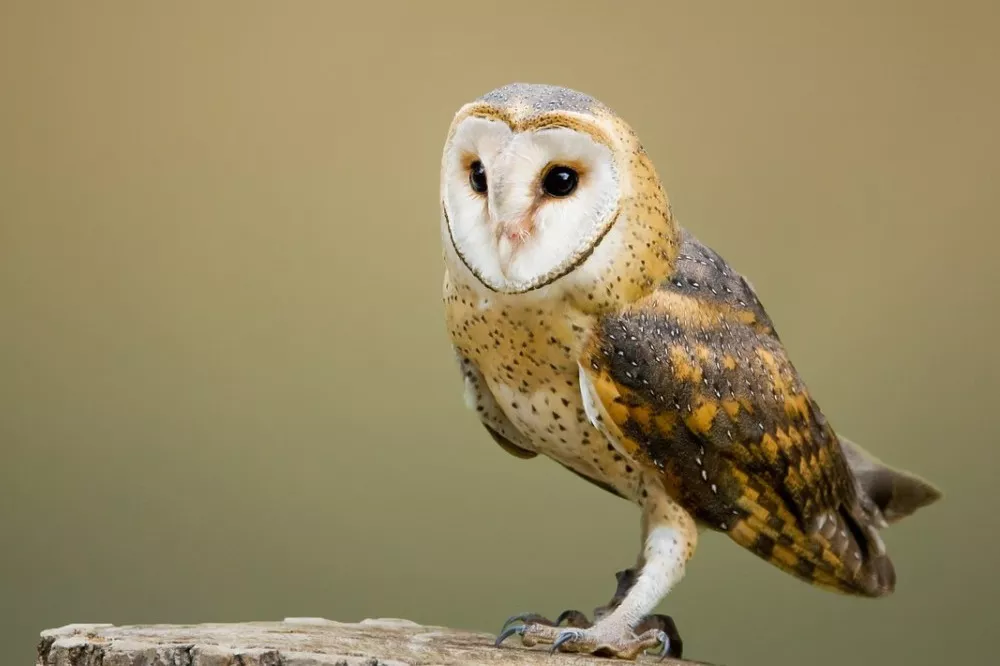
What Do Barn Owls Eat?
Barn Owls are carnivorous birds that mainly feed on small mammals.
Main Foods
Their diet commonly includes:
- Field voles
- Mice
- Rats
- Shrews
- Small mammals
In some regions, they may also eat:
- Small birds
- Bats
- Amphibians
- Insects
Small rodents usually make up the majority of their diet.
How Do Barn Owls Hunt?
Barn Owls are among the most efficient nocturnal hunters in the bird world.
They usually hunt by flying low over open fields while listening carefully for prey movements.
Silent Flight
One of their greatest adaptations is nearly silent flight.
Specialized feathers:
- Reduce air turbulence
- Minimize wing noise
- Allow surprise attacks
This enables prey to remain unaware until the owl strikes.
Excellent Hearing
Barn Owls possess exceptional directional hearing.
Their ears are positioned asymmetrically:
- One ear sits slightly higher than the other.
- This allows precise three-dimensional sound localization.
They can detect rodents moving beneath grass or snow even when prey is completely hidden.
Low-Level Hunting
They usually fly slowly and low over fields, listening carefully before diving toward prey.
Behavior
Barn Owls are primarily nocturnal.
Typical behaviors include:
- Hunting after sunset
- Roosting during daylight
- Flying low over fields
- Hovering briefly before diving
- Defending nesting territories
Outside the breeding season, many individuals become relatively solitary.
Barn Owl Sounds
Unlike the classic “hoot” associated with owls, Barn Owls produce:
- Long screeches
- Hisses
- Snoring sounds
- Bill clicking
- Defensive screams
Young owls also produce persistent begging calls when requesting food from their parents.
Barn Owl Breeding and Nesting Habits
Barn Owls can breed in different seasons depending on their location and food availability.
They usually form monogamous pairs, with many pairs staying together for multiple breeding seasons.
Nest Locations
Barn Owls commonly nest in:
- Barns
- Buildings
- Tree hollows
- Cliffs
- Nest boxes
They do not build traditional nests. Instead, females usually lay eggs on a simple layer of pellets and debris.
Eggs and Chicks
- Clutch size: Usually 3–8 eggs
- Incubation period: About 29–34 days
- Young leave the nest: Around 50–60 days after hatching
Parents work together to feed and protect their chicks.
How Long Do Barn Owls Live?
The lifespan of a Barn Owl depends greatly on environmental conditions.
In the Wild
Most Barn Owls live around 2–5 years, although some individuals survive much longer.
Major threats include:
- Vehicle collisions
- Habitat loss
- Reduced food availability
- Severe weather
- Secondary poisoning from rodenticides
In Captivity
With proper care, Barn Owls can live 15–20 years or more.
Barn Owl Conservation Status
The Barn Owl is currently classified as a species of Least Concern globally, meaning it is not considered endangered worldwide.
However, some regional populations are declining due to:
- Loss of grasslands
- Agricultural changes
- Destruction of nesting sites
- Use of toxic rodent control chemicals
Conservation efforts often focus on:
- Installing nest boxes
- Protecting farmland habitats
- Reducing harmful pesticides
- Preserving old buildings used for nesting
Conclusion
The Barn Owl is one of nature’s most efficient nighttime hunters. Its heart-shaped face, extraordinary hearing, silent flight, and remarkable ability to control rodent populations make it one of the most beneficial birds found around farms and grasslands. Although it remains widespread across much of the world, protecting nesting sites and reducing habitat loss are essential to ensuring that future generations continue to enjoy this iconic owl.
Frequently Asked Questions
Are Barn Owls dangerous to humans?
No. Barn Owls are shy birds that avoid people. They may defend a nest if threatened but rarely attack humans.
Why are Barn Owls called Barn Owls?
They often nest inside old barns, churches, silos, and other buildings, although they also use tree cavities and cliffs.
Are Barn Owls Nocturnal?
Yes. Barn Owls are primarily nocturnal birds, meaning they are most active at night. They usually begin hunting shortly after sunset and continue throughout the night.
What is the difference between a Barn Owl and a Snowy Owl?
Barn Owls are slender, tan and white, with heart-shaped faces and are active mainly at night. Snowy Owls are larger, mostly white, have round faces, and are often active during the day in Arctic environments.
How many mice does a Barn Owl eat?
An adult Barn Owl may eat 3–6 small rodents each night, depending on prey size and availability. During the breeding season, a nesting pair feeding chicks can capture several thousand rodents over the course of a year.
 Facebook
  Instagram
  Youtube
 Spanish
  English