
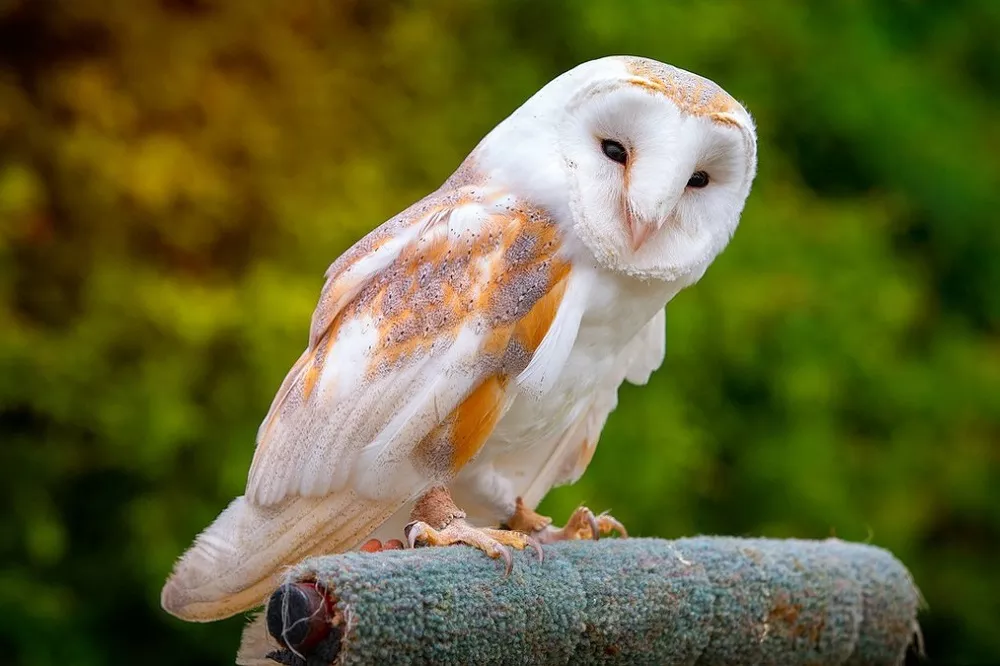
Barn Owls are one of the most widespread owl species in the world, found on almost every continent except Antarctica. Their heart-shaped face and silent flight make them easy to recognize. But where do Barn Owls actually live? What kind of places do they choose for nesting?
In this article, we will explore the habitats, nesting sites, and breeding preferences of Barn Owls.
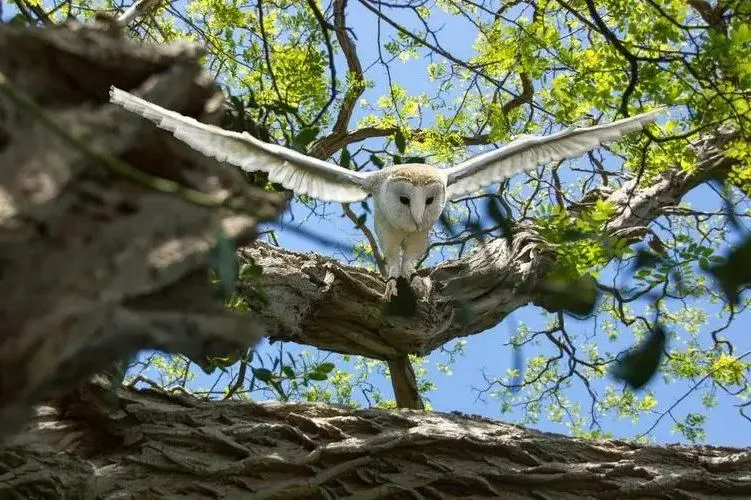
where do barn owls live
Where Do Barn Owls Live?
The Barn Owl (Tyto alba) has one of the largest global distributions of any land bird. They are found across Europe, Asia, Africa, Australia, and the Americas, including many islands. Their ability to live in different climates comes from their flexible diet and preference for habitats with plenty of small mammals.
Unlike many forest-dwelling owls, Barn Owls usually avoid dense forests. They prefer open landscapes where they can easily hunt.
Common Barn Owl Habitats
Barn Owls commonly live in:
- Farmland and agricultural areas
- Grasslands and meadows
- Open woodlands
- Marshes and wetlands
- Desert edges and dry regions
- Coastal plains
- Rural areas near human settlements
These habitats provide ideal hunting conditions because they contain large populations of mice, voles, rats, and other small mammals.
Barn Owl Distribution Around the World
Europe
In Europe, Barn Owls are widely distributed and commonly found in agricultural landscapes. Countries such as the United Kingdom, France, Spain, and Germany provide suitable habitats because of their open fields and abundance of small rodents.
Many European Barn Owls nest in:
- Old barns
- Church towers
- Farm buildings
- Tree cavities
- Nest boxes
Asia
Barn Owls occur across many parts of Asia, including India, China, Southeast Asia, and the Middle East.
They can survive in a variety of environments, including:
- Agricultural valleys
- Tropical grasslands
- Mountain foothills
- Semi-arid regions
In some Asian cultures, Barn Owls are associated with farms because they naturally control rodent populations.
Africa
Africa has many Barn Owl populations, especially in open habitats such as:
- Savannas
- Grasslands
- Farmland
- Dry scrub areas
Their ability to hunt at night allows them to thrive even in regions with hot climates.
Australia
The Australian Barn Owl is found across much of the continent. It lives in:
- Open forests
- Agricultural land
- Coastal areas
- Grasslands
They are important predators that help control populations of introduced rodents.
North and South America
Barn Owls are widespread throughout the Americas. In North America, they are mainly found in warmer regions, including parts of the southern United States and coastal areas.
In South America, they occupy many habitats, from tropical grasslands to agricultural landscapes.
What Type of Habitat Do Barn Owls Prefer?
Although Barn Owls can live in many environments, they have specific habitat requirements.
1. Open Areas for Hunting
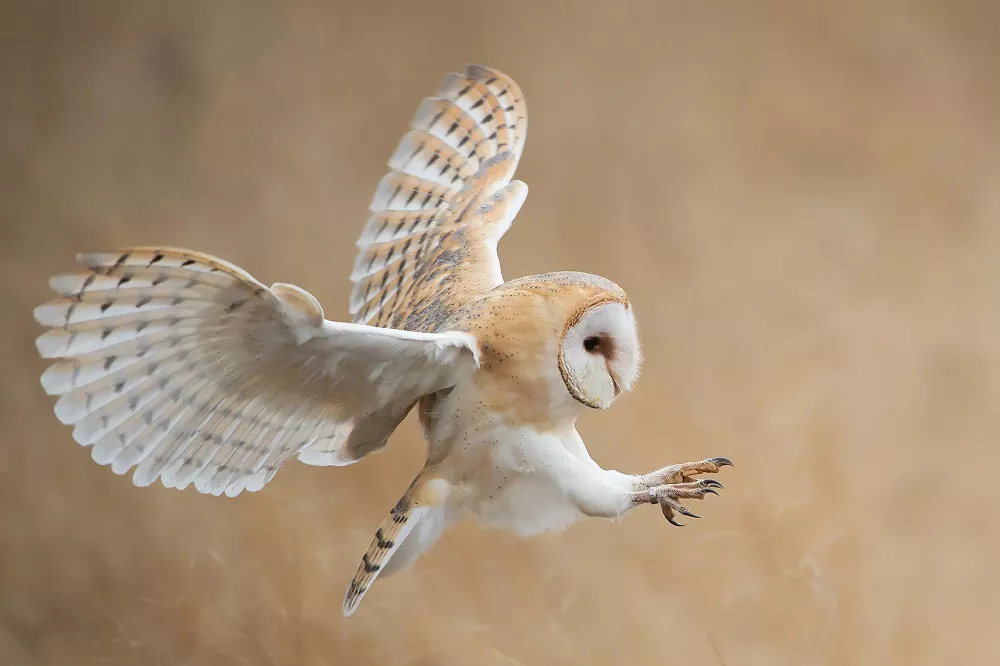
Barn Owls hunt mainly by flying low over open ground and listening for prey. They prefer places where vegetation is short enough to allow easy movement.
Ideal hunting areas include:
- Pastures
- Hay fields
- Grasslands
- Farmland
- Wetland edges
Dense forests are less suitable because they make hunting more difficult.
2. Areas With Plenty of Small Mammals
Food availability is one of the most important factors determining where Barn Owls live.
Their diet mainly includes:
- Field mice
- Voles
- Rats
- Shrews
- Small mammals
A habitat with a healthy rodent population can support a stable Barn Owl population.
3. Quiet Nesting Locations
Barn Owls need safe places to rest and raise their young. They often choose locations that protect them from predators and harsh weather.
Suitable nesting sites include:
- Abandoned buildings
- Tree hollows
- Cliffs
- Artificial nest boxes
Where Do Barn Owls Nest?
Barn Owls do not build traditional nests like many birds. Instead, they usually lay their eggs on a flat surface covered with pellets, feathers, and other debris.
They are cavity nesters and rely on existing spaces rather than constructing their own nests.
Common Barn Owl Nesting Sites
1. Old Barns and Farm Buildings
Despite their name, Barn Owls do not require barns, but old agricultural buildings are among their favorite nesting places.
They often use:
- Barn lofts
- Roof spaces
- Silos
- Abandoned sheds
These structures provide shelter, darkness, and protection from predators.
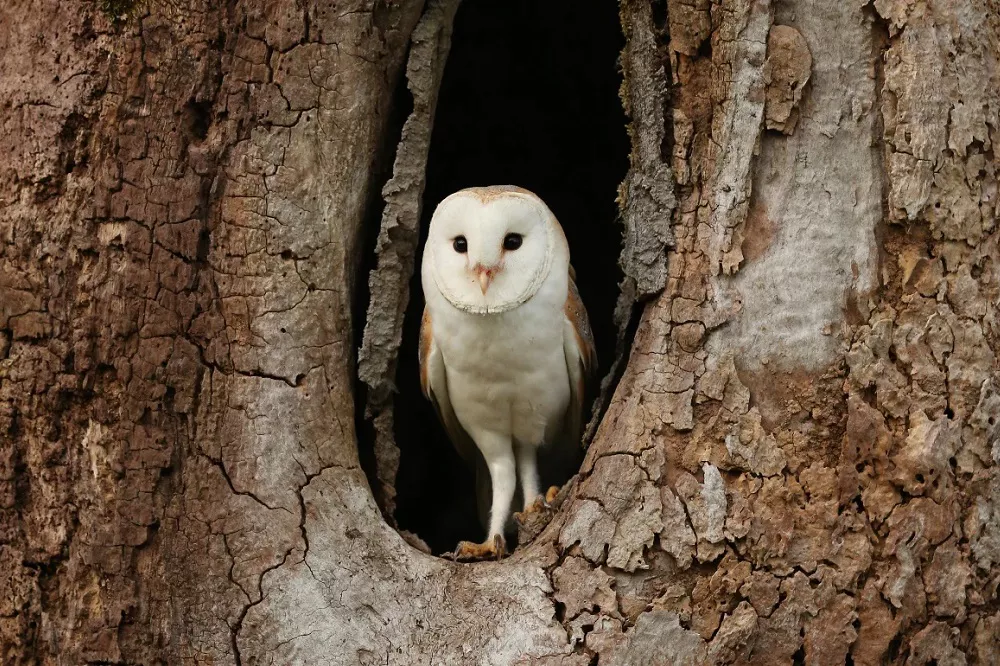
2. Tree Cavities
In areas with suitable trees, Barn Owls may nest inside natural holes created by:
- Broken branches
- Rotting wood
- Woodpecker activity
Large, mature trees are especially valuable because they provide long-term nesting opportunities.
3. Cliffs and Rock Crevices
Some Barn Owl populations nest on cliffs, especially in regions with fewer trees or buildings.
Rock cavities offer:
- Protection from weather
- Safety from ground predators
- A quiet place for raising chicks
4. Nest Boxes
Artificial nest boxes have become an important conservation tool.
Farmers and wildlife organizations often install Barn Owl nest boxes to provide safe breeding sites while benefiting from natural rodent control.
Do Barn Owls Return to the Same Nest Every Year?
Barn Owls often reuse successful nesting locations, especially when the site provides good shelter and enough food.
However, they do not always stay in the same nest year after year. Their choice depends on:
- Food availability
- Weather conditions
- Disturbance levels
- Competition with other animals
A suitable nesting site can sometimes be used by the same owl pair for many breeding seasons.
How Do Barn Owls Choose a Nesting Site?
Barn Owls usually select nesting sites based on several factors:
Protection
The nest must provide safety from:
- Rain and extreme temperatures
- Predators
- Human disturbance
- Nearby Hunting Grounds
A good nest site is usually close to open hunting areas. Barn Owls may travel several kilometers each night while searching for prey.
Darkness and Shelter
Because Barn Owls are nocturnal, they prefer dark, quiet nesting locations where they can rest during the day.
Can Barn Owls Live Near Humans?
Yes. Barn Owls are one of the owl species most tolerant of human environments.
They frequently live near:
- Farms
- Villages
- Parks
- Rural homes
- Agricultural landscapes
Human-made structures can actually provide excellent nesting opportunities when natural cavities are limited.
However, changes in farming practices, loss of old buildings, and reduced prey availability can negatively affect local Barn Owl populations.
How Can People Help Barn Owls?
People can support Barn Owls by creating safer habitats.
Helpful actions include:
- Installing Barn Owl nest boxes
- Protecting old barns and rural buildings
- Maintaining grassland and field edges
- Reducing unnecessary pesticide use
- Preserving mature trees with cavities
Farmers especially can benefit from encouraging Barn Owls because these birds naturally reduce rodent numbers.
Final Thoughts
Barn Owls are highly adaptable birds that can live in a remarkable variety of environments. From European farmland and Asian grasslands to Australian countryside and American agricultural areas, they choose habitats that provide two essential things: plenty of prey and safe nesting locations.
Although they are named after barns, Barn Owls can nest in many places, including tree cavities, cliffs, abandoned buildings, and specially designed nest boxes. Protecting these habitats is one of the best ways to ensure these beautiful nighttime hunters continue to thrive around the world.
Frequently Asked Questions
Do Barn Owls only live in barns?
No. Barn Owls also nest in tree cavities, cliffs, churches, bridges, warehouses, silos, and specially designed nest boxes.
Do Barn Owls live in forests?
Generally, no. They prefer open landscapes such as farmland, grasslands, and meadows. They may use forest edges but usually avoid dense woodland.
Can Barn Owls live in cities?
Yes. Barn Owls can live in suburban and urban areas if suitable nesting sites and hunting grounds are available nearby.
Why do Barn Owls like farms?
Farms provide both nesting places and abundant prey such as mice, rats, and voles. Old barns and nearby fields create ideal conditions.
Do Barn Owls migrate?
Most Barn Owls are resident birds. They stay in the same general area throughout the year. Young birds may disperse to find their own territories after leaving the nest.
 Facebook
  Instagram
  Youtube
 English
  Spanish