
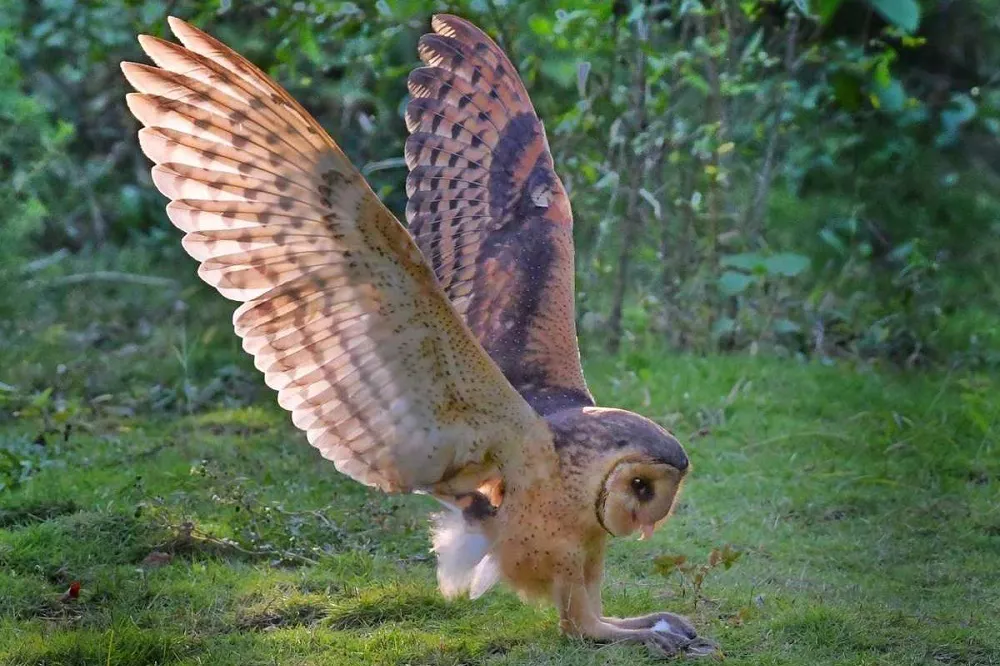
Barn Owls (Tyto alba) are highly skilled nocturnal hunters with a diet specially adapted for catching small animals in darkness. Unlike many other owl species that hunt a wide variety of prey, Barn Owls mainly rely on small mammals, especially rodents, as their primary food source. Their exceptional hearing, silent flight, and powerful talons make them one of nature’s most effective nighttime predators.
Understanding what Barn Owls eat helps us appreciate their role in controlling rodent populations and maintaining healthy ecosystems.
What Is the Main Food of Barn Owls?
The main food of Barn Owls is small mammals, particularly mice, voles, rats, and shrews. In most habitats, rodents make up the majority of their diet.
Barn Owls are considered specialist rodent hunters because their hunting abilities are perfectly suited for locating small mammals hiding in grasslands, fields, and agricultural areas.
Common prey includes:
| Prey Type | Examples |
|---|---|
| Rodents | Mice, voles, rats, pocket gophers |
| Shrews | Common shrews and other small insectivores |
| Small mammals | Young rabbits, bats, and other small creatures |
| Birds | Small birds when available |
| Reptiles and amphibians | Lizards, frogs, and occasionally snakes |
| Insects | Large insects such as beetles and grasshoppers |
Although their diet varies depending on location and prey availability, small mammals remain the foundation of the Barn Owl’s diet worldwide.
Do Barn Owls Eat Mice?
Yes, mice are one of the most important foods for Barn Owls.
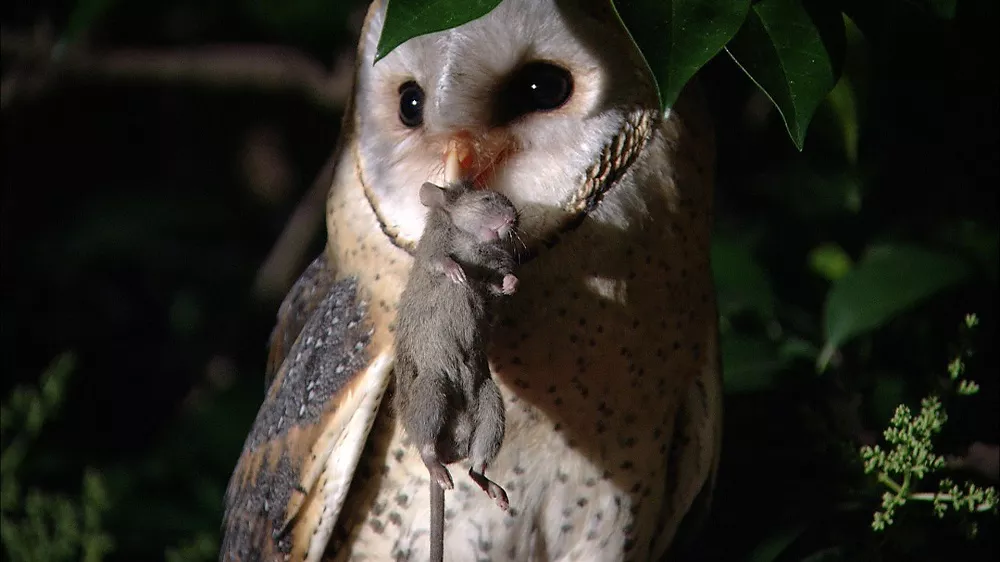
Field mice, house mice, and other small rodents are common prey because they are abundant and active at night when Barn Owls hunt. A single Barn Owl can catch several rodents in one night, making these birds valuable natural pest controllers.
In agricultural areas, Barn Owls help farmers by reducing populations of crop-damaging rodents without the need for chemical pesticides.
Do Barn Owls Eat Rats?
Barn Owls do eat rats, especially when smaller prey is limited. However, large rats can be more challenging to capture because they are stronger and heavier than mice or voles.
Young rats and smaller species are more likely to become prey. Barn Owls typically prefer prey that they can easily carry and consume.
Do Barn Owls Eat Rabbits?
Barn Owls may occasionally eat young rabbits, but rabbits are not a major part of their diet.
Adult rabbits are usually too large and powerful for Barn Owls to hunt successfully. Instead, they focus on smaller mammals that require less energy to capture.
Do Barn Owls Eat Snakes?
Barn Owls can eat small snakes, but snakes are not a common food source.
Their diet depends heavily on local conditions. In areas where rodents are abundant, Barn Owls rarely need to hunt reptiles. However, small snakes, lizards, and other reptiles may be eaten when available.
Do Barn Owls Eat Birds?
Yes, Barn Owls sometimes eat small birds, but birds usually make up only a small percentage of their diet.
They may capture:
- Sparrows
- Finches
- Young birds
- Other small species
However, compared with other owls, Barn Owls are much more specialized in hunting mammals rather than birds.
Do Barn Owls Eat Insects?
Barn Owls occasionally eat insects, especially when their preferred prey is scarce.
Large insects such as:
- Beetles
- Grasshoppers
- Crickets
may become part of their diet, but insects do not provide enough energy to support them as a primary food source.
How Do Barn Owls Find Their Food?
Barn Owls have several incredible adaptations that make them successful nighttime hunters.
Exceptional Hearing
A Barn Owl’s most impressive hunting ability is its hearing. Its heart-shaped facial disc works like a satellite dish, directing sound toward its ears.
This allows Barn Owls to locate prey even when it is hidden under vegetation or snow.
Silent Flight
Special feathers reduce noise while flying, allowing Barn Owls to approach prey without being detected.
Their silent flight gives them a major advantage when hunting at night.
Powerful Talons
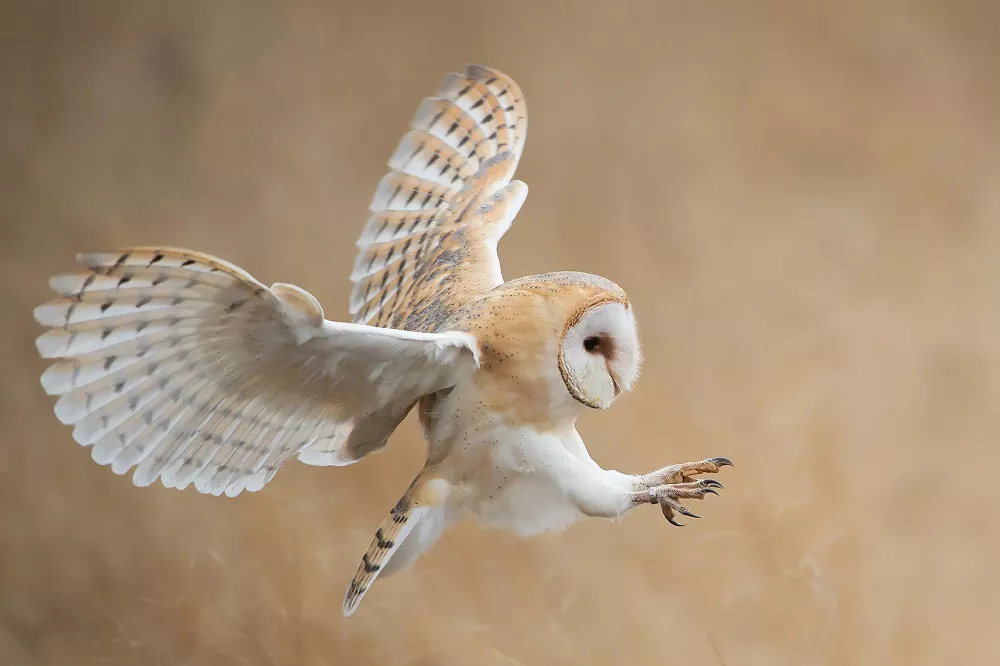
Once they locate prey, Barn Owls dive quickly and use their sharp talons to capture and kill small animals.
How Much Do Barn Owls Eat?
A Barn Owl usually eats several small prey animals each night.
An adult Barn Owl may consume around 3–6 small mammals per night, depending on:
- Prey availability
- Season
- Breeding demands
- Individual energy needs
During the breeding season, adults may hunt more frequently because they must feed both themselves and their growing chicks.
What Do Baby Barn Owls Eat?
Baby Barn Owls, called owlets, are fed the same types of prey as adults but in smaller pieces.
Parents usually bring whole prey animals back to the nest. The adult owl tears the food into manageable pieces for young chicks.
A growing family of Barn Owls requires a large amount of food. During peak breeding periods, parents may need to catch dozens of rodents every night.
Does a Barn Owl Eat Its Prey Whole?
Yes, Barn Owls often swallow small prey whole.
Because they cannot digest fur, bones, and other indigestible materials, they later regurgitate compact pellets called owl pellets.
These pellets contain:
- Fur
- Bones
- Teeth
- Feathers
Scientists and bird researchers often study Barn Owl pellets to understand what prey species live in an area.
where do barn owls live
Barn Owl Diet by Habitat
The foods Barn Owls eat can change depending on where they live.
| Habitat | Common Foods |
|---|---|
| Grasslands | Voles, mice, shrews |
| Farmland | Field mice, rats, small mammals |
| Wetlands | Small mammals, frogs, insects |
| Deserts | Mice, small reptiles, bats |
| Urban areas | House mice, rats, small birds |
Their ability to adapt their diet has helped Barn Owls survive across many regions of the world.
Why Are Barn Owls Important for Ecosystems?
Barn Owls play a crucial role as natural pest controllers.
By eating large numbers of rodents, they help:
- Protect crops from damage
- Reduce rodent populations naturally
- Maintain ecosystem balance
- Support biodiversity
Many farmers encourage Barn Owls by installing nest boxes because these birds provide an environmentally friendly way to control pests.
Final Thoughts
Barn Owls are specialized nighttime predators that mainly eat small mammals, especially mice, voles, and other rodents. Their remarkable hearing, silent flight, and hunting skills allow them to thrive in many environments around the world.
By controlling rodent populations, Barn Owls provide valuable benefits to natural ecosystems and agriculture. Protecting these fascinating birds helps maintain a healthier balance between wildlife and human environments.
 Facebook
  Instagram
  Youtube
 Spanish
  English