
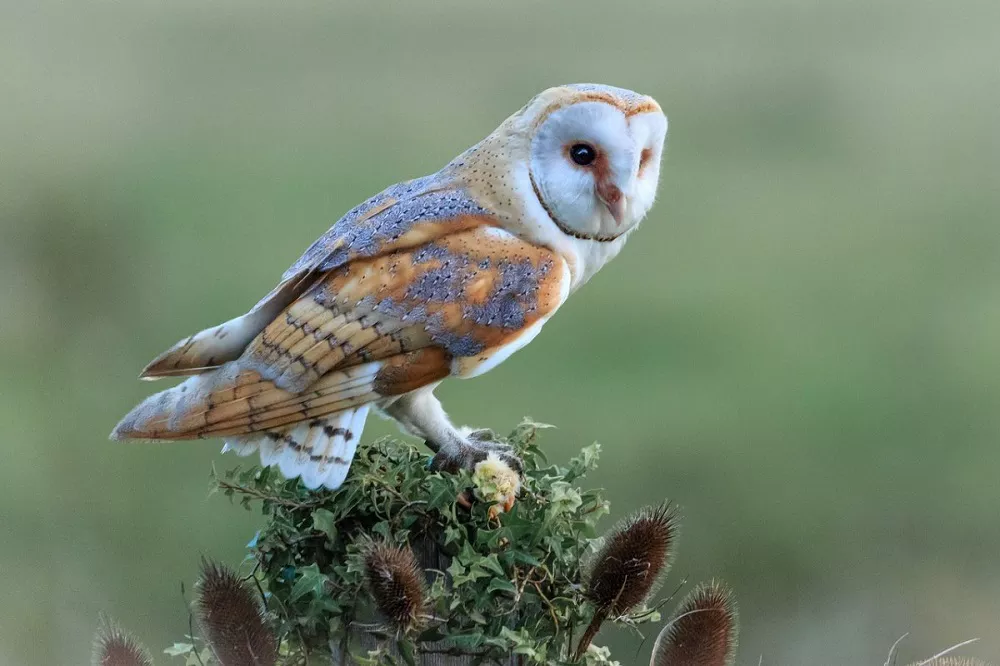
Barn Owls (Tyto alba) are famous for their silent flight, heart-shaped faces, and incredible hunting skills. Many people wonder: Do Barn Owls eat snakes? The short answer is yes, but snakes are not a common part of their diet.
Barn Owls are highly specialized hunters that mainly feed on small mammals, especially rodents. However, when the opportunity arises, they may capture and eat small snakes, particularly in areas where other prey is less available. Understanding how snakes fit into a Barn Owl’s diet reveals more about this fascinating bird’s adaptability and survival strategies.
Do Barn Owls Really Eat Snakes?
Yes, Barn Owls can eat snakes, but they are considered an occasional or opportunistic prey item rather than a primary food source.
Unlike some larger owls that regularly hunt reptiles, Barn Owls are adapted mainly for catching small mammals. Their powerful hearing allows them to locate mice, rats, and voles even in complete darkness. Because rodents provide more energy and are easier to digest, they make up the majority of a Barn Owl’s diet.
When a Barn Owl encounters a small snake that is easy to capture, it may attack and consume it. This behavior is more likely to occur in regions where reptiles are abundant or when the usual mammal prey population is low.
What Types of Snakes Do Barn Owls Eat?
Barn Owls usually target small, non-dangerous snake species rather than large or aggressive snakes.
Possible snake prey includes:
- Small grass snakes
- Young or juvenile snakes
- Thin-bodied snakes
- Small harmless snakes found in grasslands and agricultural areas
A Barn Owl is unlikely to hunt large snakes because they are difficult to overpower and may pose a risk of injury.
The owl’s hunting style is designed for prey that can be quickly grabbed with its talons and swallowed. Small snakes fit this category better than large reptiles.
How Do Barn Owls Catch Snakes?
Barn Owls are nocturnal hunters, meaning they usually search for prey at night. Their hunting process is highly efficient:
1. Detecting Movement and Sound
Barn Owls have exceptional hearing. Their facial disc works like a satellite dish, directing sounds toward their ears. This allows them to locate prey hidden in grass, vegetation, or under leaves.
A snake moving through vegetation may create enough sound for a Barn Owl to detect.
2. Silent Approach
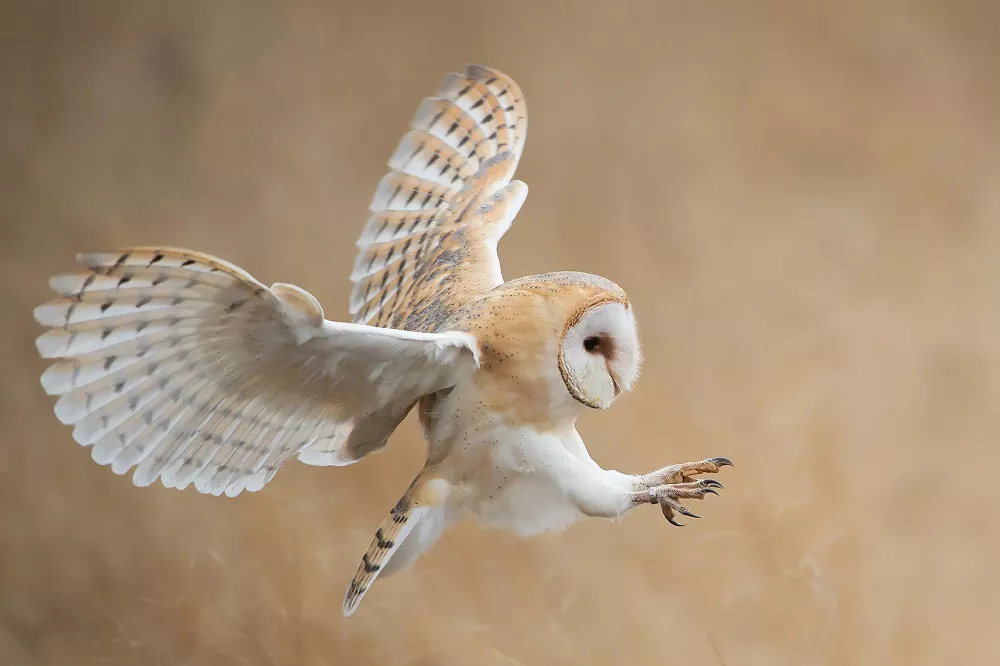
Barn Owls fly almost silently because of their specialized wing feathers. This allows them to approach prey without being noticed.
3. Capturing with Sharp Talons
Once close enough, the owl dives and uses its strong feet and curved talons to grab the snake. The snake is usually killed quickly before being eaten.
4. Swallowing and Digesting
Like other birds of prey, Barn Owls often swallow small prey whole. Indigestible parts such as bones, fur, or scales are later formed into pellets and regurgitated.
Are Snakes a Major Part of a Barn Owl’s Diet?
No. Snakes make up only a very small portion of the Barn Owl’s diet.
The typical Barn Owl diet includes:
| Prey Type | Importance in Diet |
|---|---|
| Mice and voles | Main food source |
| Rats and small mammals | Common prey |
| Shrews | Frequently eaten |
| Small birds | Occasionally eaten |
| Frogs and insects | Rarely eaten |
| Small snakes | Occasional prey |
In most habitats, small mammals provide the highest nutritional value and are easier for Barn Owls to hunt consistently.
Why Don’t Barn Owls Eat More Snakes?
Although Barn Owls are capable of eating snakes, several factors limit how often they do so.
Snakes Are Less Predictable Prey
Rodents are usually easier to locate because they produce noticeable sounds and leave clear signs of activity. Snakes are often quieter and may hide during the day.
Many Snakes Are Active at Different Times
Barn Owls mainly hunt at night, while many snake species are active during the daytime. This reduces encounters between the two animals.
Snakes Provide Less Energy
Small mammals contain more calories because of their higher fat content. For a hunting bird that needs a lot of energy, rodents are usually a better choice.
Risk of Injury
Some snakes can bite or defend themselves aggressively. Although Barn Owls are skilled predators, avoiding unnecessary danger is part of their survival strategy.
Do Barn Owls Help Control Snake Populations?
Barn Owls are not considered major snake predators. Their role in ecosystems is much more important as rodent controllers.
A single Barn Owl family can consume hundreds of rodents during the breeding season. By reducing mouse and rat populations, Barn Owls help maintain ecological balance and can benefit farms and agricultural areas.
While they may occasionally remove small snakes, their greatest impact is controlling populations of small mammals.
Do Barn Owls Eat Venomous Snakes?
There are some reports of owls eating venomous snakes, but this behavior is uncommon for Barn Owls.
Because Barn Owls usually hunt small prey, they generally avoid large or dangerous snakes. If they encounter a small venomous snake, they may attack it, but this depends on the snake’s size, availability, and the owl’s hunting experience.
Other birds of prey, such as snake eagles, are much more specialized snake hunters.
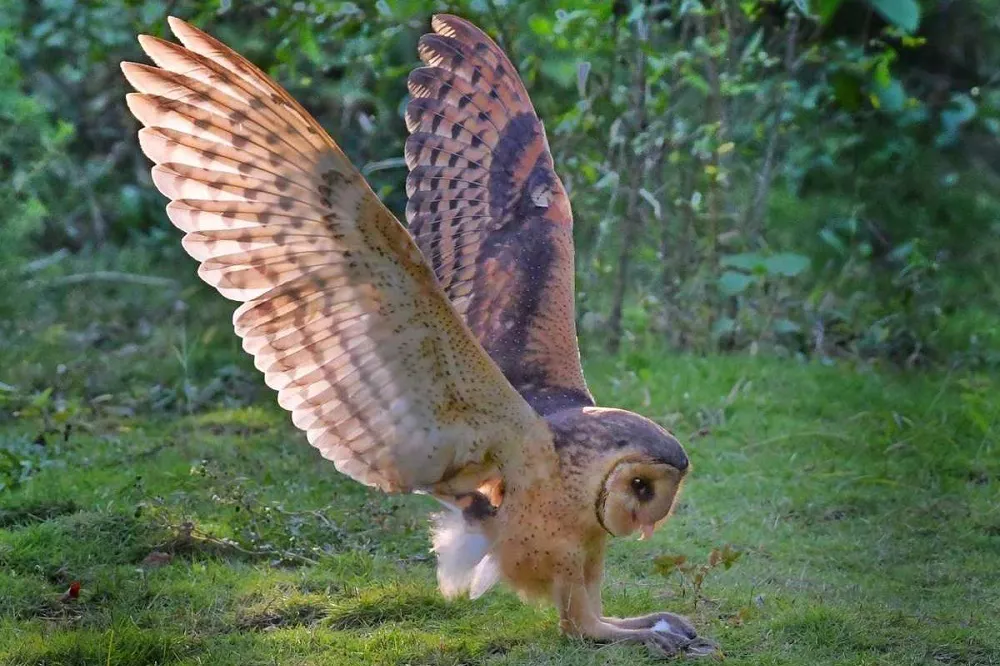
what do barn owls eat
Where Are Barn Owls Most Likely to Eat Snakes?
Barn Owls are more likely to encounter snakes in habitats such as:
- Grasslands
- Farmland
- Open woodlands
- Marsh edges
- Tropical and subtropical regions
These areas often support both rodent populations and small reptiles, giving Barn Owls more opportunities to encounter snakes.
Conclusion
Barn owls do eat snakes, but snakes are only a small part of their natural diet. Their diet is dominated by small mammals, especially rodents, which provide the nutrition they need to survive.
Snakes are simply one of many secondary prey items that Barn Owls may consume when available. Their true ecological importance comes from their ability to control rodent populations and maintain balance in natural and agricultural ecosystems.
Frequently Asked Questions
Do Barn Owls eat snakes every day?
No. Snakes are only an occasional food source. Barn Owls mainly eat rodents such as mice, voles, and rats.
Do barn owls eat rattlesnakes?
It may catch a very young rattlesnake, but adult rattlesnakes are usually too large and dangerous.
Do barn owls eat garden snakes?
Yes. Small garden snakes are among the types of snakes a barn owl can hunt.
What is a Barn Owl’s favorite food?
Small mammals, especially mice and voles, are the preferred prey of Barn Owls because they provide abundant energy and are easy to hunt.
 Facebook
  Instagram
  Youtube
 English
  Spanish