
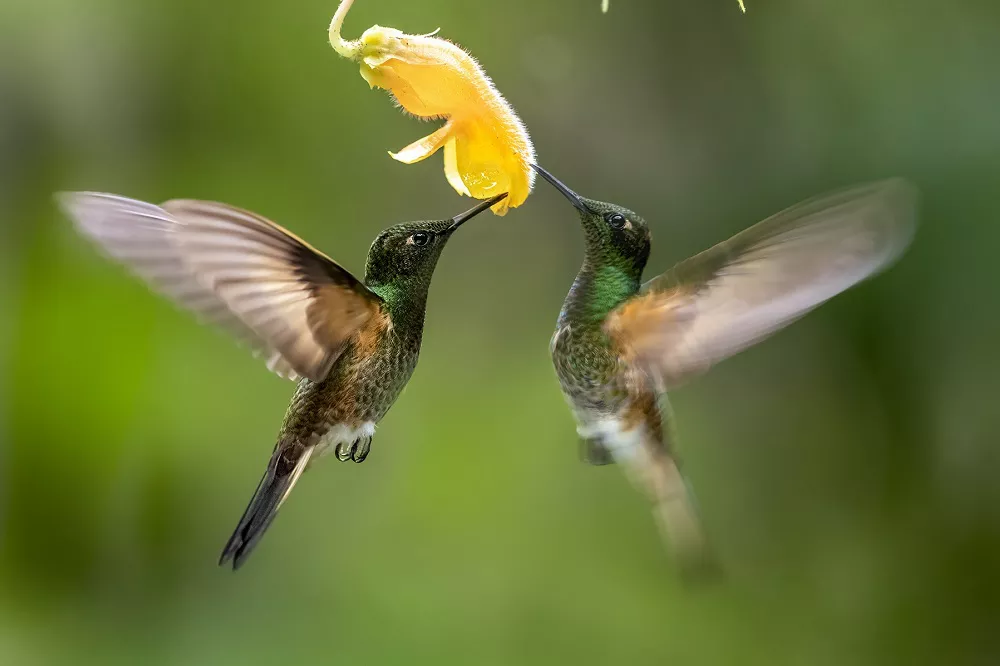
Hummingbirds are fascinating, high-energy birds that require a specialized diet to survive. Most people know that a simple sugar water solution is the standard food offered in feeders. However, many bird enthusiasts ask an important question: What Can I Feed Hummingbirds Besides Sugar Water?
This article will explain safe, natural, and effective alternatives to sugar water while following best practices for bird health and ethical feeding.
Understanding the Hummingbird Diet
Before offering alternatives, it is essential to understand what hummingbirds eat in the wild.
Hummingbirds primarily consume:
- Nectar from flowers (their main energy source)
- Small insects and spiders (for protein, fats, and nutrients)
- Tree sap (occasionally)
- Pollen (indirectly consumed while feeding)
Sugar water mimics nectar, but it does not provide all nutrients. This is why offering a more natural feeding environment is beneficial.
Why You Should Consider Alternatives to Sugar Water
Sugar water is safe when prepared correctly. However, relying only on it has limitations:
- It lacks protein and micronutrients
- It does not fully replicate natural nectar complexity
- Poor maintenance can lead to mold or bacterial growth
- It may reduce natural foraging behavior if overused
Providing alternatives encourages healthier, more natural feeding patterns.
Best Alternatives to Sugar Water for Hummingbirds
1. Nectar-Rich Flowers (The Best Natural Option)
Planting flowers is the most effective and recommended alternative.
Hummingbirds are naturally attracted to brightly colored, tubular flowers, especially red, orange, and pink.
Recommended Flowers:
- Bee balm (Monarda)
- Salvia
- Trumpet vine
- Columbine
- Fuchsia
- Honeysuckle (native varieties)
Benefits:
- Provides natural nectar composition
- Encourages natural feeding behavior
- Supports pollination ecosystems
Expert Tip: Choose native plants in your region. Native flowers produce nectar suited to local hummingbird species.
2. Small Insects and Spiders
Hummingbirds need protein, especially during breeding season.
They eat:
- Fruit flies
- Gnats
- Mosquitoes
- Tiny spiders
How to Support This Naturally:
- Avoid pesticides in your garden
- Allow a small number of insects to thrive
- Plant shrubs and trees that attract insects
Why This Matters:
Protein supports:
- Muscle development
- Feather growth
- Egg production
Sugar water alone cannot provide this.
3. Overripe Fruit (Indirect Feeding Method)
Hummingbirds do not eat fruit flesh directly like some birds. However, overripe fruit attracts insects, which hummingbirds will eat.
How to Use This Method:
- Place slices of banana, orange, or melon in a shaded area
- Let them attract fruit flies
- Hummingbirds will visit to catch insects
Important Notes:
- Replace fruit frequently to prevent mold
- Do not place near feeders to avoid contamination
4. Commercial Nectar Mixes (With Caution)
Some commercial hummingbird foods exist.
What to Look For:
- Only products with simple sugar content
- No artificial dyes (especially red dye)
What to Avoid:
- Additives
- Preservatives
- “Enhanced” formulas claiming extra nutrients
Professional Advice: Homemade sugar water (1:4 ratio) is still better than most commercial products.
Foods and Substances to Avoid
Honey
Do not use honey in hummingbird feeders. Honey can grow bacteria and fungus when diluted, which can be harmful to birds. Plain white table sugar is the safe choice for homemade nectar.
Canned or bottled juice
Avoid canned or bottled fruit juices. Some sources note that these products may contain dyes, preservatives, or other additives that are not healthy for hummingbirds.
Anything with pesticides
Do not use pesticides in areas where hummingbirds feed. Pesticides can kill the insects hummingbirds eat and may poison the birds indirectly. A pesticide-free yard is much safer and more useful.
Spoiled food
Never leave fruit or other foods out until they rot. Spoiled food can attract harmful bacteria, mold, and unwanted pests. Freshness matters a lot when feeding wildlife.
Conclusion
In conclusion, there are many different foods that you can offer to hummingbirds besides sugar water. Providing a variety of food sources will help keep these tiny birds healthy and happy in your garden. Insects, fruit juice , softened dried fruit, and nectar from flowers are all great alternatives to sugar water that will attract hummingbirds to your garden. Remember to always offer fresh food and clean your feeders regularly to avoid the growth of harmful bacteria.
Frequently Asked Questions (FAQ)
1. Can hummingbirds eat fruit directly?
No. They do not typically consume fruit flesh. However, they will eat insects attracted to overripe fruit.
2. Is it safe to stop using sugar water completely?
Yes, if you provide enough natural nectar sources. However, feeders are helpful during migration and food shortages.
3. Do hummingbirds need protein?
Yes. They get protein from insects and spiders. This is essential for growth and reproduction.
4. Can I add vitamins or supplements to nectar?
No. This can disrupt their metabolism and may be harmful.
5. How often should I clean hummingbird feeders?
Every 2–3 days, or daily in hot weather. Cleanliness prevents disease.
 Facebook
  Instagram
  Youtube
 English
  Spanish