
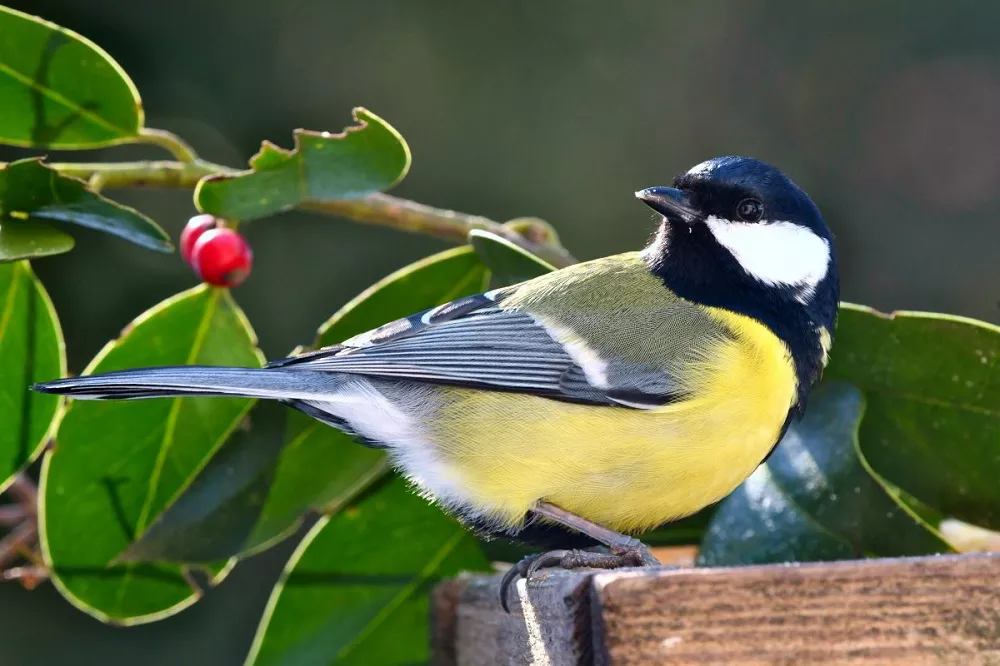
Bird feeding is a popular activity enjoyed by many individuals around the world. People delight in attracting different bird species to their gardens and balconies by offering them a variety of food items. While seeds, fruits, and suet are commonly known as bird-friendly foods, there may be some confusion about whether birds can consume raisins.
In this article, we will explore the topic of whether birds can eat raisins, considering their nutritional requirements and potential benefits or risks associated with raisin consumption.
Can Birds Eat Raisins?
Yes, many birds can eat raisins. Raisins are simply grapes that have been dried, and several fruit-eating bird species naturally consume berries, grapes, and other fruit.
According to Cornell University’s Project FeederWatch, grapes and raisins without preservatives are attractive to many fruit-eating birds. These include American Robins, Northern Mockingbirds, Gray Catbirds, Bluebirds, and Waxwings.
Raisins can provide birds with concentrated carbohydrates, making them an energy-rich supplemental food.
However, there are a few important considerations:
- Offer plain, unsweetened raisins without added ingredients.
- Soak them in water to soften their texture.
- Cut large raisins into smaller pieces when appropriate.
- Provide small amounts rather than making them a regular staple.
- Remove uneaten fruit before it spoils.
Raisins are best treated as an occasional supplement to a bird’s normal diet, not a replacement for natural foods such as insects, seeds, berries, and other species-appropriate foods.
Are Raisins Good for Birds?
Raisins contain several nutrients that can contribute to a bird’s energy intake. However, their nutritional value should be considered in the context of a bird’s complete diet.
Because raisins are dried grapes, much of their original water content has been removed. This concentrates their natural sugars and carbohydrates.
Here are some nutritional characteristics of raisins.
1. Carbohydrates and Natural Sugars
Raisins contain a relatively high concentration of natural sugars, including glucose and fructose.
These carbohydrates provide energy that birds can use for daily activities such as flying, foraging, and maintaining body temperature.
However, the concentrated sugar content is also why raisins should be offered in moderation.
2. Dietary Fiber
Raisins contain dietary fiber, which is part of their natural plant structure.
Fiber contributes to the overall nutritional composition of fruit. Nevertheless, birds should obtain appropriate nutrition from a varied diet rather than relying heavily on one dried fruit.
3. Vitamins and Minerals
Raisins contain small amounts of several micronutrients, including potassium, iron, and certain B vitamins.
Potassium plays a role in normal cellular and muscle function, while iron is involved in oxygen transport.
However, raisins are not a complete source of vitamins and minerals for birds. Their nutritional contribution varies with the raisin variety and processing method.
Nutritional Comparison: Raisins vs Fresh Grapes
| Nutritional Feature | Raisins | Fresh Grapes |
|---|---|---|
| Water content | Low | High |
| Natural sugars | Concentrated | Less concentrated by weight |
| Energy density | Higher | Lower |
| Dietary fiber | Present | Present |
| Texture | Chewy and dry | Soft and juicy |
| Preparation | Soaking is recommended | Wash and cut appropriately |
The main difference is water content. Drying grapes concentrates their sugars and energy per unit of weight.
Fresh grapes may be a more hydrating option, while softened raisins offer a convenient alternative for attracting fruit-eating backyard birds.
What Types of Birds Eat Raisins?
Not all birds are interested in dried fruit. However, many species that naturally consume berries and fleshy fruits may accept raisins at backyard feeding stations.
Here are some examples.
1. American Robins
American Robins (Turdus migratorius) are familiar backyard birds known for their orange-red breasts.
Their natural diet includes earthworms, insects, berries, and other fruits.
Because fruit is an important part of their diet, robins may readily accept softened raisins at feeding stations.
Soaked raisins can be particularly useful when natural fruit sources are limited.
2. Northern Cardinals
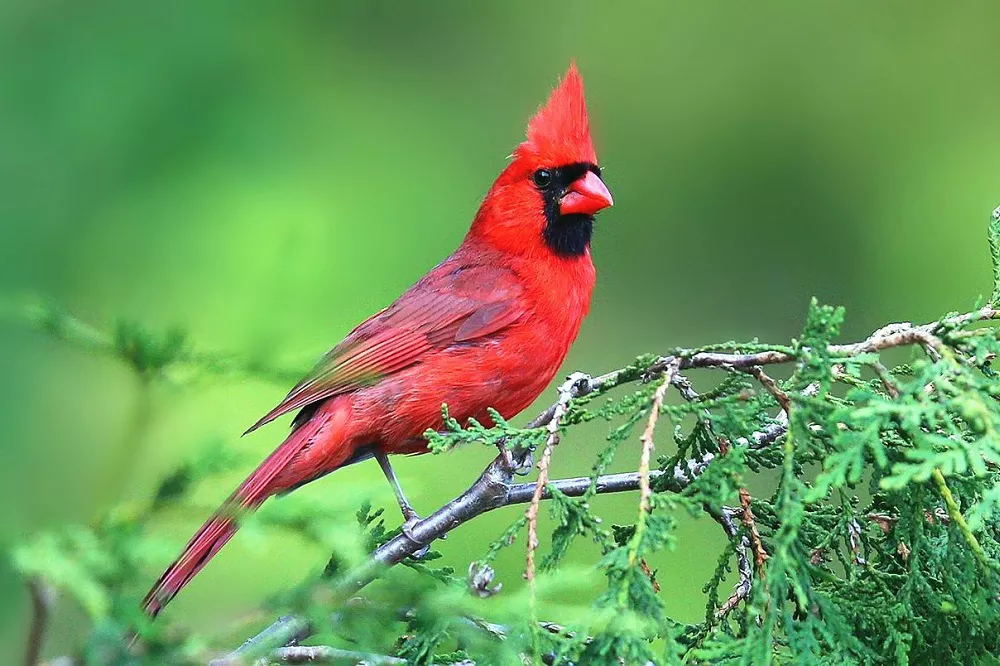
Northern Cardinals (Cardinalis cardinalis) primarily eat seeds, but they also consume berries and other fruits.
They may investigate raisins when these are offered alongside their usual foods.
However, raisins are not a necessary part of a cardinal’s diet. Sunflower seeds, native berries, and other natural foods remain important options.
Learn more about their natural dietary preferences in our guide to what Northern Cardinals eat.
3. Bluebirds
Bluebirds are well-known fruit and insect eaters.
Their diet changes with the seasons. During warmer months, insects and other invertebrates are important food sources, while berries and fruits become valuable alternatives when available.
Softened raisins may attract bluebirds to a suitable feeding station.
4. Cedar Waxwings
Cedar Waxwings are highly specialized fruit-eating birds.
They consume a variety of berries and small fruits, often gathering in flocks around fruit-bearing trees and shrubs.
Raisins may serve as an additional fruit offering, although natural berries remain preferable.
5. Northern Mockingbirds and Gray Catbirds
Both Northern Mockingbirds and Gray Catbirds consume a combination of insects and fruits.
They may visit feeding stations that provide suitable fruit.
Offering softened raisins alongside fresh fruit may encourage these birds to explore your backyard.
6. Parrots
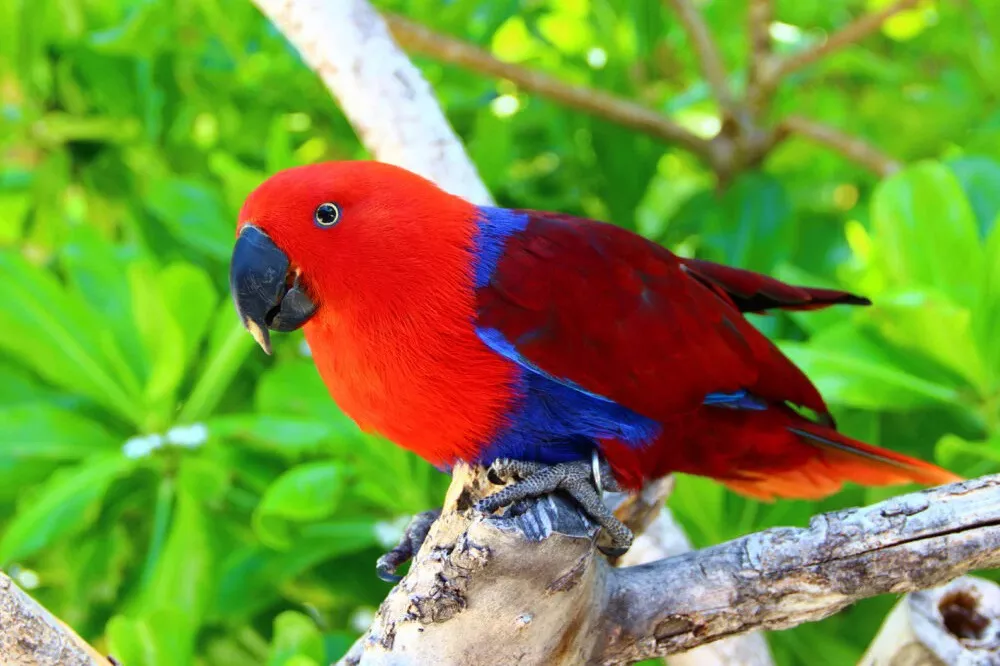
Many parrot species consume fruit as part of their natural or captive diets.
For example, Eclectus Parrots naturally eat fruits, flowers, nectar, and other foods.
However, dried fruit is more concentrated in sugar than fresh fruit. Raisins should therefore remain a small occasional treat rather than a major dietary component.
Can Wild Birds Eat Raisins?
Yes. Many wild fruit-eating birds can consume raisins when they are offered appropriately.
In fact, several wildlife and bird-feeding organizations recognize raisins as a suitable supplemental food for certain backyard birds.
The Cornell Lab of Ornithology’s Project FeederWatch lists raisins and grapes among the foods that attract fruit-eating species.
The National Audubon Society also recommends soaking raisins and currants in water before placing them on a feeding table.
However, feeding wild birds requires more than simply providing food.
Consider these guidelines:
- Offer raisins in small quantities.
- Use a clean platform feeder or shallow feeding dish.
- Avoid placing food where predators can easily reach birds.
- Remove spoiled or uneaten fruit promptly.
- Maintain clean feeding equipment.
- Provide natural food sources through native trees, shrubs, and berry-producing plants.
Remember that supplemental feeding should not replace natural food sources.
How to Feed Raisins to Birds Safely
Proper preparation makes raisins easier for birds to handle and helps reduce unnecessary feeding risks.
Follow these steps before offering raisins to backyard birds.
Step 1: Choose Plain, Unsweetened Raisins
Select ordinary raisins without additional ingredients.
Avoid:
- Chocolate-covered raisins.
- Yogurt-coated raisins.
- Sugar-coated dried fruit.
- Raisins containing artificial flavors or unnecessary additives.
- Products mixed with salted nuts or other processed snacks.
Plain raisins are the simplest option.
Step 2: Check for Mold and Spoilage
Inspect the raisins before feeding them.
Discard any that show signs of mold, unusual discoloration, unpleasant odors, or other signs of spoilage.
Moldy food can contain substances harmful to birds.
Cornell’s Project FeederWatch specifically advises removing fruit that becomes moldy because certain molds produce toxins.
Step 3: Soak Raisins in Water
This is one of the most useful preparation steps.
Place the raisins in a clean bowl and cover them with fresh water. Allow them to soften before feeding.
Wild bird feeding guidance from Audubon recommends soaking raisins and currants overnight.
Soaking helps restore moisture and makes the raisins softer and easier to handle.
After soaking, drain the water and serve the softened raisins promptly.
Do not leave soaked raisins at room temperature for extended periods.
Step 4: Cut Them into Smaller Pieces
Large raisins may be difficult for smaller birds to handle.
Cutting them into smaller pieces can make them easier to pick up and consume.
Avoid offering large, hard, or excessively sticky pieces.
Step 5: Use a Clean Feeding Station
Place the prepared raisins in a clean platform feeder or shallow dish.
Choose an accessible location that provides birds with a clear view of potential predators.
Avoid placing food near areas where cats can hide or approach unnoticed.
Step 6: Remove Leftovers
Fruit spoils more quickly than many dry bird foods.
Remove uneaten raisins regularly, especially in warm or humid weather.
Wash the feeding dish before using it again.
Always provide fresh, clean drinking water.
How Many Raisins Can Birds Eat?
There is no universally established safe serving size for every bird species.
The appropriate amount depends on several factors:
- Bird species.
- Body size.
- Age and life stage.
- Normal dietary requirements.
- Overall food intake.
- Health condition.
A small songbird and a large parrot have very different nutritional requirements.
For wild birds, offer only a small amount of softened raisins at a time. Observe whether the birds consume them and remove any leftovers.
For pet birds, raisins should be treated as an occasional treat rather than a dietary staple.
The main principle is simple: variety and nutritional balance are more important than offering large quantities of one food.
Potential Risks of Feeding Raisins to Birds
Although many fruit-eating birds can consume raisins, there are several potential problems to consider.
1. High Natural Sugar Concentration
Raisins contain concentrated natural sugars because most of their water has been removed.
Excessive consumption can contribute to an unbalanced diet, particularly for captive birds that have limited food choices.
Fresh fruit and species-appropriate staple foods should remain the priority.
2. Choking and Handling Difficulties
Whole, dry raisins can be chewy and difficult for some smaller birds to handle.
Soaking and cutting raisins into manageable pieces can reduce this practical feeding concern.
3. Mold and Contamination
Dried fruit can become contaminated during storage or feeding.
Moisture, heat, and poor storage conditions can encourage mold growth.
Never offer moldy or spoiled raisins.
4. Added Ingredients and Preservatives
Some commercially available dried fruits contain added sugar, oils, preservatives, or flavorings.
These ingredients are unnecessary for bird feeding.
Choose plain products and check the ingredient label carefully.
5. Nutritional Imbalance
Raisins do not provide all the nutrients birds need.
Feeding too much fruit at the expense of a balanced diet may lead to nutritional problems over time.
This is particularly important for pet birds, which require diets designed around their species-specific nutritional needs.
Are Raisins Better Than Fresh Grapes for Birds?
Both raisins and fresh grapes can be suitable supplemental foods for some fruit-eating birds.
However, they have different nutritional and practical characteristics.
Fresh grapes:
- Contain considerably more water.
- Have a softer, juicier texture.
- Can provide additional dietary moisture.
- Should be washed thoroughly before serving.
- May need to be cut into suitable pieces.
Raisins:
- Have a higher concentration of natural sugars by weight.
- Contain less water.
- Are easier to store when kept dry.
- Benefit from soaking before feeding.
- Should be offered in smaller amounts.
Neither option is universally better.
For backyard wild birds, both can be useful occasional additions to a varied feeding environment.
For pet birds, fresh fruit is often a more suitable treat than concentrated dried fruit, depending on the species and its dietary requirements.
Other Fruits Birds Can Eat
Raisins are not the only fruit that can attract fruit-eating birds.
Several other fruits may be suitable supplemental foods when prepared properly.
| Fruit | Feeding Preparation |
|---|---|
| Apples | Wash, remove seeds and core, and cut into small pieces |
| Blueberries | Wash thoroughly and offer fresh |
| Strawberries | Wash and cut into manageable pieces |
| Blackberries | Wash and offer fresh |
| Grapes | Wash and cut appropriately |
| Bananas | Peel and cut into small pieces |
| Melon | Remove rind and seeds where appropriate |
| Cherries | Remove pits and stems before offering |
Always consider the bird species before introducing new foods.
Fresh fruit should be clean, free from spoilage, and offered in moderation.
For pet birds, avoid assuming that a food suitable for one species is automatically appropriate for another.
Conclusion
In conclusion, while birds can eat raisins, caution should be exercised when incorporating them into their diet. Raisins can be a tasty treat for some bird species, but they should not replace essential nutritional components, such as proteins, found in their natural food sources. It is important to remember that each bird species has specific dietary requirements, and a varied diet that mimics their natural feeding patterns will ensure their well-being.
 Facebook
 Instagram
 Youtube

 English
 Spanish