
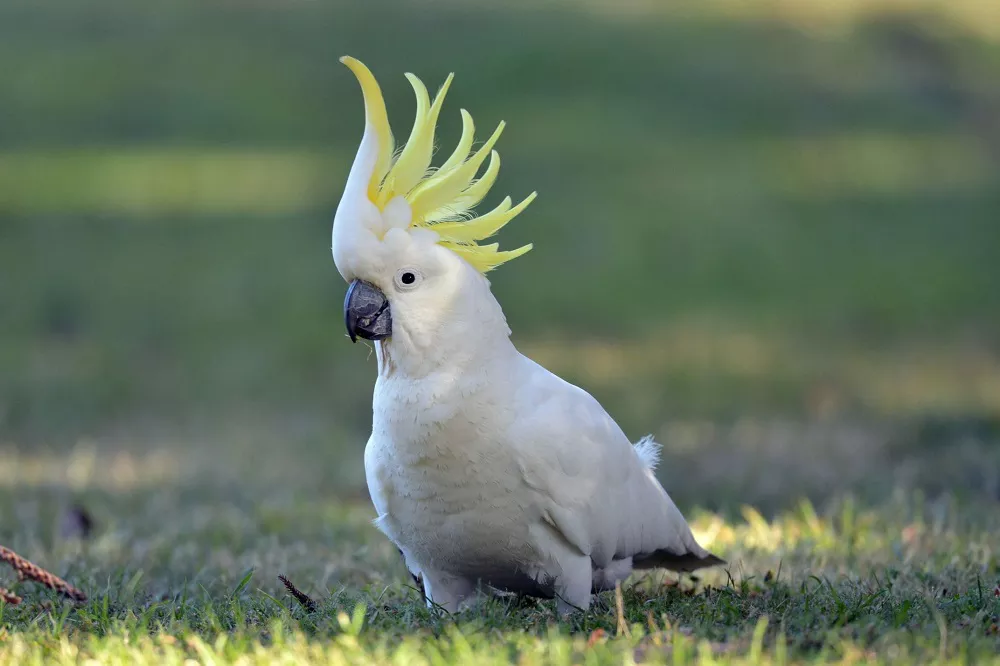
Sulphur-crested Cockatoos (Cacatua galerita) are among the most famous and long-lived parrots in the world. Known for their striking yellow crest, powerful beak, intelligence, and playful personality, these birds can form lifelong bonds with their owners and survive for many decades when given proper care.
But how long does a Sulphur-crested Cockatoo live? The answer depends on factors such as habitat, diet, genetics, health care, and living conditions.
Average Lifespan of a Sulphur-crested Cockatoo
A healthy Sulphur-crested Cockatoo typically lives:
- In the wild: Around 20–40 years
- In captivity with excellent care: Often 40–70 years
- Exceptional cases: Some individuals may live over 80 years
Their long lifespan makes them one of the longest-lived companion birds. Owning a Sulphur-crested Cockatoo is a long-term commitment because these birds can potentially live as long as a human generation.
What Factors Affect a Sulphur-crested Cockatoo’s Lifespan?
Several factors can influence how long a Sulphur-crested Cockatoo lives.
1. Diet
Nutrition is one of the most important factors.
A balanced diet should provide appropriate amounts of nutrients while avoiding excessive fat, salt, sugar, and highly processed human foods. A suitable diet may include quality formulated parrot food together with appropriate vegetables, leafy greens, fruits, and other species-appropriate foods.
A poor diet can contribute to obesity, nutritional deficiencies, liver problems, and other health issues.
2. Exercise
Sulphur-crested Cockatoos are large, active parrots. They need opportunities to fly, climb, walk, forage, and explore.
Regular physical activity helps maintain:
- Healthy body weight
- Strong muscles
- Cardiovascular health
- Coordination
- Normal behavior
A sedentary lifestyle can increase the risk of obesity and other health problems.
3. Mental Stimulation
These cockatoos are exceptionally intelligent and social birds.
They need regular mental stimulation through activities such as:
- Foraging
- Puzzle toys
- Chewing safe natural materials
- Training
- Exploring new objects
- Social interaction
Without sufficient stimulation, a cockatoo may become bored, frustrated, or stressed. Behavioral problems such as excessive screaming and feather damaging can develop.
4. Veterinary Care
Regular veterinary examinations can help identify health problems before they become severe.
An avian veterinarian can monitor a bird’s:
- Weight
- Feathers and skin
- Beak and nails
- Respiratory system
- Digestive health
- General physical condition
Early detection is particularly important for a species that may live for many decades.
5. Sleep and Stress
Sulphur-crested Cockatoos require adequate, uninterrupted sleep. A quiet and predictable sleeping environment can help support their physical and behavioral health.
Long-term stress can negatively affect a bird’s overall well-being. Excessive noise, social isolation, poor housing, or an unpredictable environment may contribute to chronic stress.
6. Genetics
Genetics also play a role in longevity. Some individuals may naturally be more resistant to certain diseases or have better overall health than others.
Therefore, there is no exact age that every Sulphur-crested Cockatoo will reach.
Sulphur-crested Cockatoo Lifespan Compared With Other Parrots
Sulphur-crested Cockatoos are among the longer-lived companion birds.
| Parrot Species | Approximate Lifespan |
|---|---|
| Budgerigar | 5–10 years |
| Cockatiel | 15–25 years |
| African Grey Parrot | 40–60 years |
| Amazon Parrot | 40–60 years |
| Sulphur-crested Cockatoo | 40–60+ years |
| Macaw | 50–70+ years |
These figures are general ranges rather than guarantees. Individual birds can live shorter or longer lives depending on genetics, husbandry, disease, diet, and other environmental factors.
How Can You Help a Sulphur-crested Cockatoo Live Longer?
If you keep a Sulphur-crested Cockatoo as a companion bird, several practices can support a long and healthy life:
- Provide a nutritionally balanced diet.
- Offer plenty of daily exercise and opportunities to climb and move.
- Provide safe toys and regular enrichment.
- Allow adequate, consistent sleep.
- Arrange routine examinations with an avian veterinarian.
- Maintain excellent cage and environmental hygiene.
- Avoid exposure to toxic substances, fumes, and unsafe foods.
- Provide appropriate social interaction without encouraging unhealthy dependence.
- Monitor changes in appetite, weight, droppings, activity, and behavior.
- Provide a safe environment that prevents accidental injuries and escapes.
Because a Sulphur-crested Cockatoo can potentially remain with its human family for many decades, ownership is a serious long-term commitment.
Final Thoughts
The Sulphur-crested Cockatoo is a remarkable bird with an extraordinary lifespan. Living 40 to 70 years or more, these intelligent parrots can become lifelong companions when their physical and emotional needs are properly met.
Frequently Asked Questions
How long do Sulphur-crested Cockatoos live as pets?
With excellent care, pet Sulphur-crested Cockatoos commonly live 40–70 years, and some may live even longer.
Can a Sulphur-crested Cockatoo live longer than 70 years?
Yes. Although uncommon, some individuals may exceed 70 years when they receive exceptional care, proper nutrition, and a healthy environment.
Are Sulphur-crested Cockatoos good pets for beginners?
They are intelligent and affectionate birds, but they are not usually recommended for inexperienced bird owners. Their long lifespan, loud calls, strong personalities, and need for daily interaction require a dedicated owner.
Do male and female Sulphur-crested Cockatoos have different lifespans?
There is no strong evidence that males and females have significantly different lifespans. Individual health, genetics, and care quality are much more important factors.
 Facebook
  Instagram
  Youtube
 English
  Spanish