
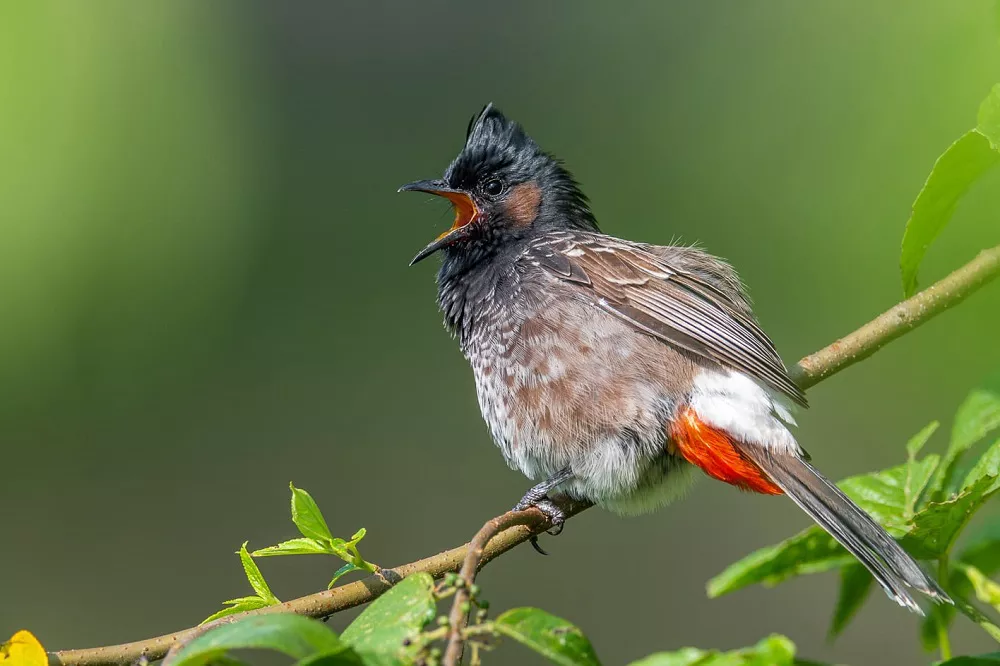
The Red-vented Bulbul is one of the most recognizable and widespread songbirds across South and Southeast Asia. Known for its distinctive red undertail, melodious calls, and adaptable nature, this species has fascinated birdwatchers and nature enthusiasts alike. Its ability to thrive in urban and rural areas alike has made it a familiar presence in gardens, parks, and forests.
In this article, we’ll explore detailed Red-vented Bulbul facts, including its habitat, diet, behavior, and ecological importance.
Taxonomy and Classification
The Red-vented Bulbul belongs to the family Pycnonotidae, coPycnonotus cafer, and iLatham in 1790. The classification is as follow:
| Category | Classification |
|---|---|
| Kingdom | Animalia |
| Phylum | Chordata |
| Class | Aves |
| Order | Passeriformes |
| Family | Pycnonotidae |
| Genus | Pycnonotus |
| Species | P. cafer |
There are multiple subspecies of the Red-vented Bulbul, differing slightly in plumage and geographic distribution. These variations highlight the bird’s adaptability to different environments.
Physical Description
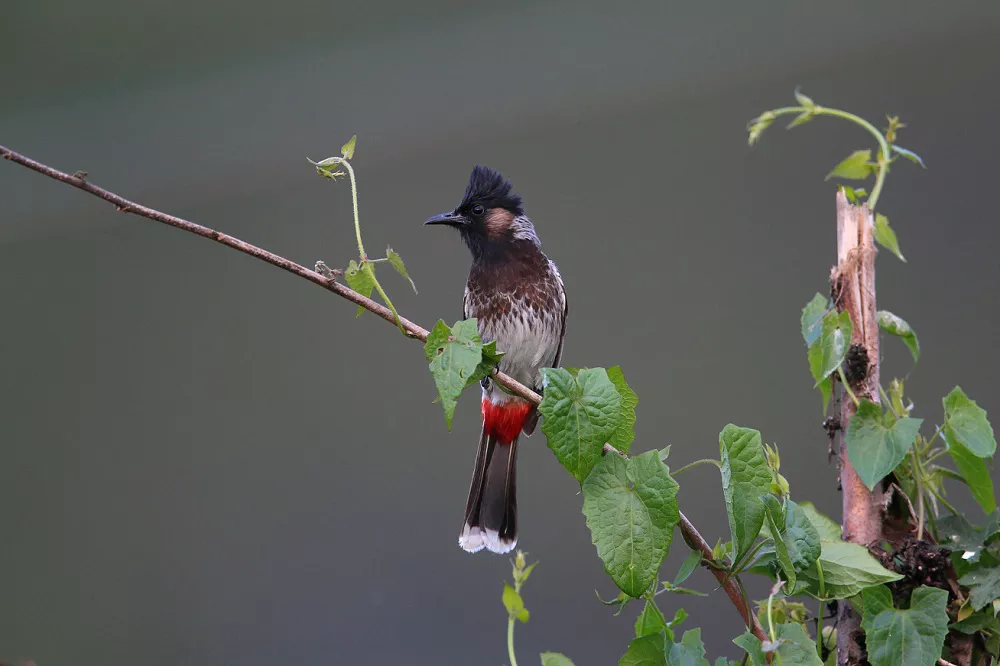
The Red-vented Bulbul is a medium-sized songbird, typically measuring about 20 cm (8 inches) in length. It has a distinctive and elegant appearance that makes it easy to identify.
Key Features:
- Plumage: Mostly dark brown with a scaly pattern on the body
- Crest: A short, slightly raised crest on the head
- Eyes: Dark brown
- Beak: Short, slightly curved, and black
- Vent: Bright red patch beneath the tail (its defining feature)
- Tail: Long and dark with white tips
The contrast between its dark body and the vivid red vent gives the bird its common name. Males and females look very similar, making it difficult to distinguish between them visually.
Young birds are duller than adults and usually show browner tones. This softer coloration helps them blend into vegetation better during the vulnerable early stages of life.
Distribution and Habitat
The Red-vented Bulbul is native to South and Southeast Asia, including countries such as India, Nepal, Sri Lanka, Bangladesh, Pakistan, and Myanmar. Due to its adaptability, it has also been introduced to Fiji, New Zealand, and several Pacific islands.
It thrives in a variety of habitats, such as:
- Urban areas: Gardens, parks, and city outskirts
- Rural landscapes: Agricultural fields and plantations
- Forests: Open woodlands and scrub forests
Its ability to live in both human-modified environments and natural habitats contributes to its widespread distribution and population stability.
Diet and Feeding Behavior
The Red-vented Bulbul is omnivorous, feeding on a mix of fruits, nectar, insects, and small invertebrates. Key dietary habits include:
- Fruits and berries: Figs, papaya, guava, and other soft fruits
- Insects: Beetles, caterpillars, and small arthropods
- Nectar: Occasionally feeds from flowering plants
Bulbuls play an important role in seed dispersal, making them essential contributors to local ecosystems. They are active foragers, often hopping between branches and sometimes descending to the ground in search of food.
Behavior and Social Life
Red-vented Bulbuls are social, vocal, and territorial birds. Their behaviors include:
- Calls: Loud, melodious whistles and chatters that mark territory and attract mates
- Social structure: Often seen in pairs or small groups, though larger flocks may gather at food sources
- Territoriality: Both males and females defend their nesting areas vigorously
These birds are active throughout the day, known for their agile movements and constant tail flicking, which adds charm to their presence in gardens and parks.
Reproduction and Lifespan
Breeding occurs year-round in tropical regions, with peak activity during the spring and summer months. Key reproductive details:
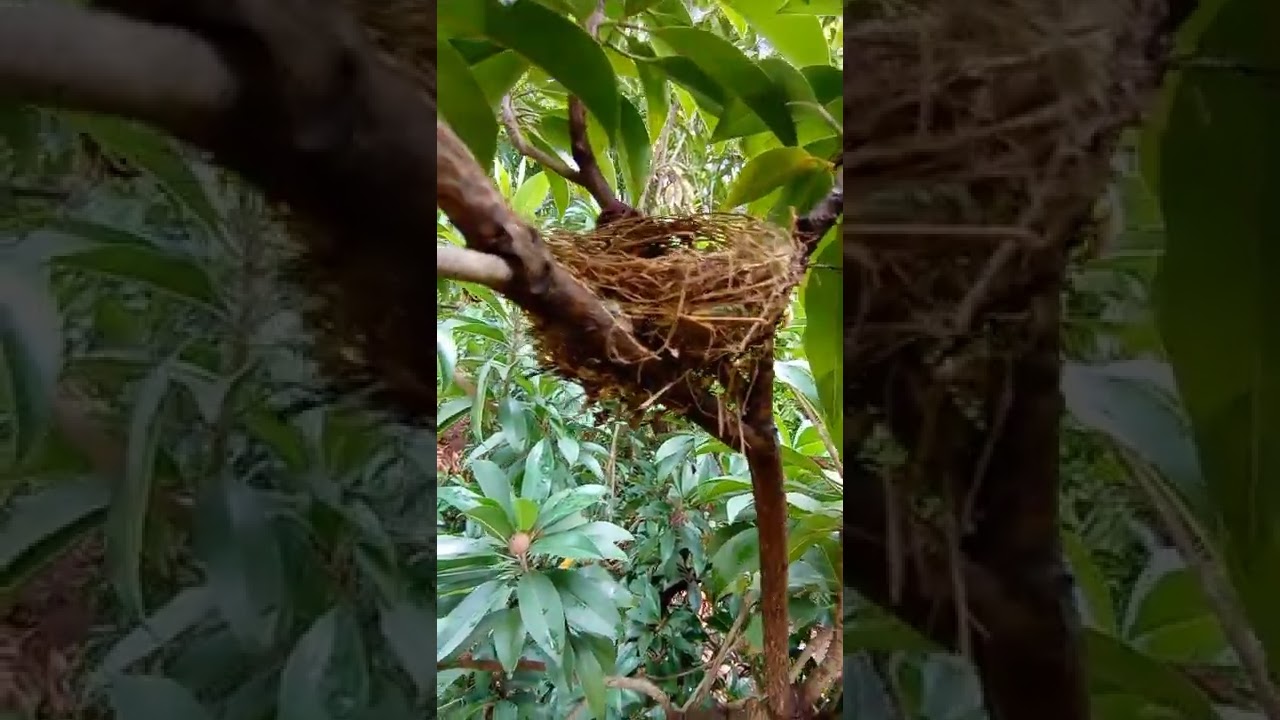
- Nest: Cup-shaped, constructed with twigs, grasses, and leaves, often placed in shrubs or small trees
- Eggs: Typically 2–4 pale green or bluish eggs with brown speckles
- Incubation: About 12–14 days, primarily by the female
- Fledging: Chicks leave the nest approximately 12–15 days after hatching
Red-vented Bulbuls can live up to 10 years in the wild, though lifespan is influenced by predation and habitat conditions.
Calls and Sounds
The species is highly vocal, producing a variety of sounds:
- Song: Clear, melodious whistles often repeated in sequences
- Alarm calls: Sharp, staccato notes to alert others of predators
- Social calls: Soft chirps and chatter used within flocks
Their vocal repertoire makes them popular among bird enthusiasts who enjoy listening to natural bird songs in gardens and forests.
Humans and Conservation
Red-vented Bulbuls are generally not threatened, thanks to their adaptability. They coexist well with humans and are frequently seen in urban areas. However:
- Agricultural impact: Occasionally considered pests due to fruit consumption
- Ecological importance: Serve as pollinators and seed dispersers
- Conservation status: Listed as Least Concern by the IUCN
Their presence in human-influenced landscapes highlights their resilience and ecological versatility.
Conclusion
The Red-vented Bulbul (Pycnonotus cafer) is a resilient and charismatic bird, essential for ecosystems and beloved by bird enthusiasts. Its adaptability and ecological contributions make it a symbol of wildlife coexisting with humans.
 Facebook
  Instagram
  Youtube
 English
  Spanish