
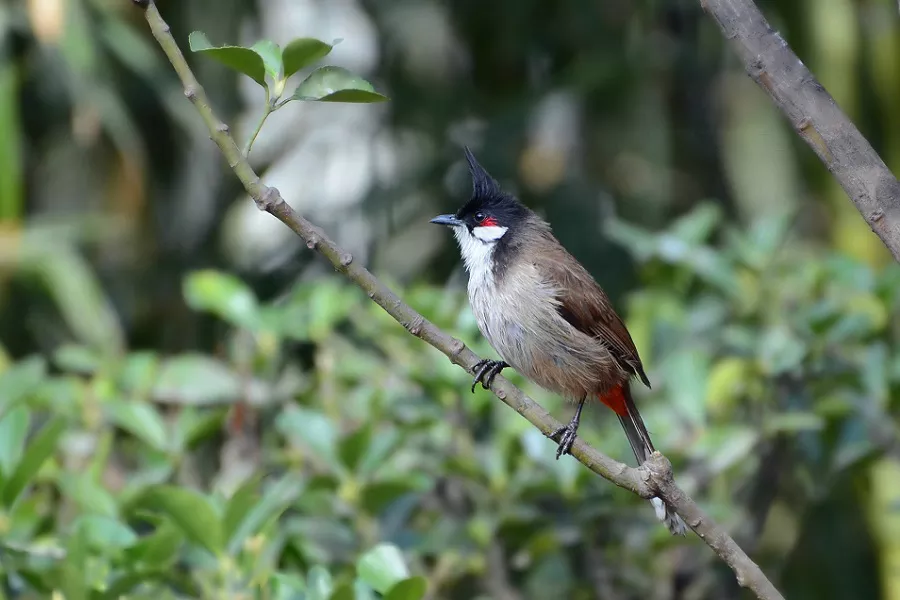
The Red-whiskered Bulbul (Red-whiskered Bulbul) is one of the most recognizable songbirds in Asia. Known for its distinctive black crest, white cheeks, and bright red patch behind the eyes, this energetic bird is admired for both its appearance and cheerful calls.
One of the most common questions bird enthusiasts ask is: What do Red-whiskered Bulbuls eat?
The simple answer is that Red-whiskered Bulbuls are omnivorous birds. They consume a wide variety of foods, including fruits, berries, insects, nectar, flower petals, and occasionally small invertebrates. Their adaptable diet allows them to thrive in forests, gardens, farms, parks, and urban environments.
In this article, we’ll explore everything you need to know about the feeding habits of Red-whiskered Bulbuls, including what they eat in the wild, what to feed them in captivity, seasonal dietary changes, and how to attract them to your backyard.
What Do Red-whiskered Bulbuls Eat?
The Red-whiskered Bulbul has an omnivorous diet, meaning it eats both plant and animal matter. However, fruits make up a significant portion of its diet, supplemented by insects, nectar, flowers, and occasionally small invertebrates.
Their diet typically includes:
- Fruits and berries
- Insects
- Flower nectar
- Seeds
- Tender shoots
- Small arthropods
- Spiders
- Caterpillars
- Beetles
- Ants
The exact composition of their diet depends on habitat, season, weather conditions, and food availability.
Fruits: The Most Important Food Source
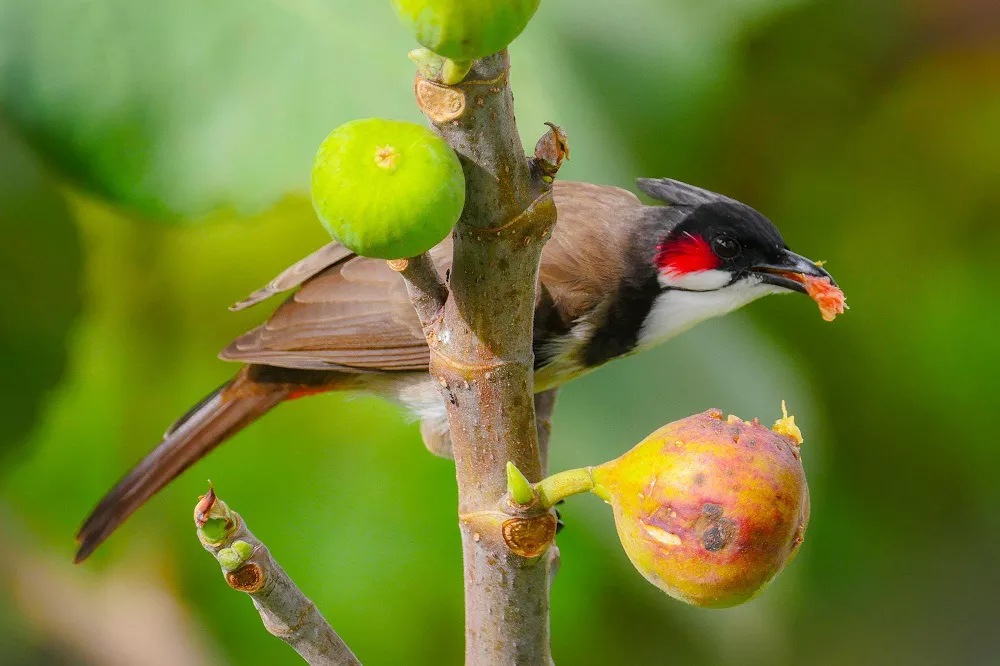
Fruits are arguably the primary food source for Red-whiskered Bulbuls throughout much of the year.
These birds are considered important seed dispersers because they consume fruits and later distribute seeds across wide areas through their droppings.
Favorite Fruits
Some commonly consumed fruits include:
- Figs
- Papaya
- Banana
- Guava
- Mulberries
- Berries
- Mango
- Lantana fruits
- Wild cherries
Their relatively short but strong beaks allow them to peck at soft fruits efficiently.
Why Fruits Matter
Fruits provide:
- Quick energy from natural sugars
- Water during dry periods
- Essential vitamins and minerals
- Antioxidants that support health
During breeding seasons, adults often increase fruit consumption to meet higher energy demands.
Insects: A Critical Protein Source
Although fruits dominate much of the adult diet, insects become especially important during nesting and chick-rearing periods.
Young bulbul chicks require protein-rich foods for proper growth and feather development.
Common Insects Eaten
Red-whiskered Bulbuls frequently consume:
- Caterpillars
- Beetles
- Grasshoppers
- Ants
- Termites
- Moths
- Crickets
- Small flies
- Leafhoppers
They actively search foliage, branches, shrubs, and tree bark for prey.
Benefits of Insects
Insects provide:
- High-quality protein
- Essential amino acids
- Healthy fats
- Calcium and minerals
During the breeding season, parent birds may spend a large portion of the day collecting insects for their nestlings.
Berries: A Natural Favorite
Wild berries are among the most frequently consumed foods by Red-whiskered Bulbuls.
Popular Berry Species
They commonly feed on:
- Elderberries
- Mulberries
- Lantana berries
- Wild figs
- Blackberry-like fruits
- Native forest berries
Because bulbuls swallow many berries whole, they play an important role in seed dispersal, helping plants spread across forests and open landscapes.
Do Red-whiskered Bulbuls Eat Nectar?
Yes, Red-whiskered Bulbuls frequently feed on nectar.
Although they are not specialized nectar feeders like hummingbirds or sunbirds, they readily visit flowering plants and consume nectar when available.
Flowers Commonly Visited
These birds often feed from:
- Coral trees
- Hibiscus
- Bottlebrush flowers
- Silk cotton trees
- Erythrina species
- Banana flowers
Nectar provides:
- Quick energy
- Natural sugars
- Hydration
When feeding on nectar, they may inadvertently transfer pollen between flowers, making them occasional pollinators.
Do Red-whiskered Bulbuls Eat Seeds?
Seeds are not a primary food source. However, they may occasionally consume:
- Soft seeds inside fruits
- Small grass seeds
- Weed seeds
- Agricultural crop seeds
Their beaks are better adapted for soft foods rather than hard seed shells. Therefore, seeds generally make up only a small portion of their diet.
What Do Baby Red-whiskered Bulbuls Eat?
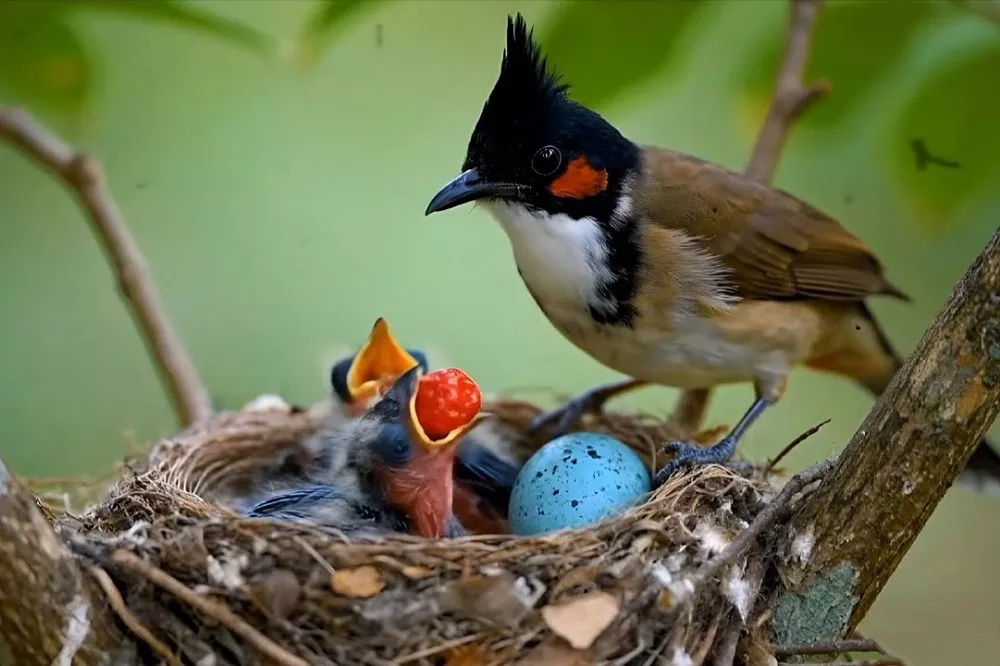
Baby Red-whiskered Bulbuls have nutritional requirements different from adults.
During the first few weeks after hatching, chicks rely heavily on protein-rich foods.
Typical Foods Fed to Chicks
Parent birds commonly bring:
- Caterpillars
- Soft-bodied insects
- Larvae
- Small spiders
- Tiny beetles
These foods are easier for chicks to digest and provide the nutrients needed for rapid growth.
As the chicks mature, parents gradually introduce:
- Soft fruits
- Small berries
- Plant material
By the time fledglings leave the nest, they begin learning to forage independently.
Seasonal Changes in Diet
The Red-whiskered Bulbul’s diet changes throughout the year according to food availability.
Spring
During spring:
- Flower nectar becomes abundant.
- Insect populations increase.
- Breeding activity begins.
Bulbuls consume large quantities of insects to support nesting efforts.
Summer
Summer often provides:
- Ripe fruits
- Berries
- Nectar-rich flowers
Fruit consumption usually reaches its peak during this season.
Autumn
During autumn, bulbuls continue feeding on:
- Late-season fruits
- Seeds
- Remaining insects
Many plants produce fruit specifically during this period, providing an important food source.
Winter
In cooler months, insect populations may decline.
Bulbuls compensate by eating:
- Persistent berries
- Garden fruits
- Flower nectar
- Seeds
Their dietary flexibility allows them to survive seasonal food shortages.
What Should You Feed a Red-whiskered Bulbul in Captivity?
People caring for rescued or captive bulbuls should provide a varied diet that mimics natural feeding habits.
Suitable foods include:
Fruits
Offer:
- Banana
- Papaya
- Mango
- Apple
- Pear
- Melon
- Guava
Always wash fruits thoroughly before feeding.
Live Insects
Provide:
- Mealworms
- Crickets
- Waxworms
These foods help meet protein requirements.
Soft-Bill Bird Food
Commercial soft-bill diets are often recommended for bulbuls.
These specially formulated foods contain:
- Balanced nutrients
- Vitamins
- Minerals
- Protein
Fresh Water
Clean drinking water should always be available.
Bulbuls also enjoy bathing regularly.
Foods to Avoid
Certain foods can be harmful to red-whiskered bulbuls.
Avoid feeding:
- Chocolate
- Avocado
- Caffeine
- Alcohol
- Salty snacks
- Sugary processed foods
- Moldy fruits
These foods may cause serious health problems.
How to Attract Red-whiskered Bulbuls to Your Garden
Plant Fruit-Producing Trees
Excellent choices include:
- Fig trees
- Guava trees
- Mulberry trees
- Papaya plants
These provide natural feeding opportunities.
Grow Flowering Plants
Nectar-producing flowers attract bulbuls throughout the year.
Good options include:
- Hibiscus
- Bottlebrush
- Coral vine
- Salvia
- Offer Fresh Fruit
Place sliced fruit on a platform feeder.
Popular choices include:
- Banana
- Papaya
- Mango
Replace fruit daily to prevent spoilage.
What Foods Should You Avoid Feeding Red-whiskered Bulbuls?
Not all foods are safe.
- Avoid These Foods
- Chocolate
- Avocado
- Salty snacks
- Processed foods
- Sugary candies
- Moldy fruit
- Caffeinated drinks
- Alcohol
These foods can cause serious health problems or even be fatal.
Conclusion
So, what do Red-whiskered Bulbuls eat? The answer is that they are highly adaptable omnivores with a diet centered on fruits, supplemented by insects, nectar, seeds, and small invertebrates. Their omnivorous feeding habits allow them to thrive in forests, farmlands, parks, and urban gardens across Asia and many introduced regions around the world.
Frequently Asked Questions
Are Red-whiskered Bulbuls herbivores or carnivores?
Neither. They are omnivores that consume both plant and animal foods.
Do Red-whiskered Bulbuls eat bananas?
Yes. Bananas are one of the most attractive fruits for bulbuls and are commonly used to attract them to gardens.
Do Red-whiskered Bulbuls eat mealworms?
Yes. Mealworms are an excellent source of protein and are readily accepted by bulbuls.
What do Red-whiskered Bulbuls feed their babies?
Mostly insects, caterpillars, spiders, and other protein-rich invertebrates.
Can Red-whiskered Bulbuls drink sugar water?
While they may occasionally sample sugar water, natural nectar and fresh fruits are healthier and more suitable food sources.
 Facebook
  Instagram
  Youtube
 English
  Spanish