
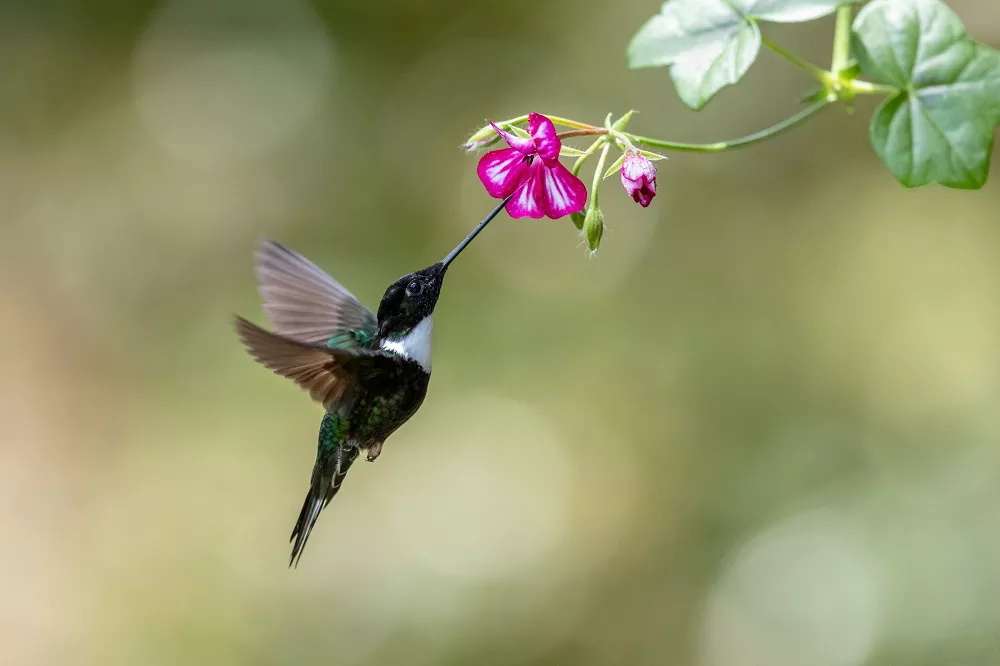
When most people think of hummingbirds, they picture tiny birds hovering around colorful flowers and drinking sweet nectar. However, nectar is only part of a hummingbird’s diet. These energetic birds are also skilled insect hunters and rely on bugs as an important source of protein and nutrients.
So, do hummingbirds eat bugs? The answer is yes. Hummingbirds regularly eat insects, spiders, and other tiny arthropods, especially when they need extra protein for growth, breeding, and survival.
This article explains what types of bugs hummingbirds eat, why insects are important, how they catch them, and how you can attract insect-eating hummingbirds to your garden.
Do Hummingbirds Really Eat Bugs?
Yes, hummingbirds eat bugs as a natural and essential part of their diet. Although nectar provides quick energy in the form of sugar, it does not contain enough protein, fats, vitamins, and minerals needed for daily health.
Insects help hummingbirds meet these nutritional needs. A hummingbird’s diet is usually made up of:
- Nectar from flowers – provides carbohydrates for energy
- Small insects – provides protein and essential nutrients
- Spiders and tiny arthropods – provides additional protein and minerals
During certain times of the year, insects can become especially important. For example, female hummingbirds need extra protein when producing eggs and feeding their young.
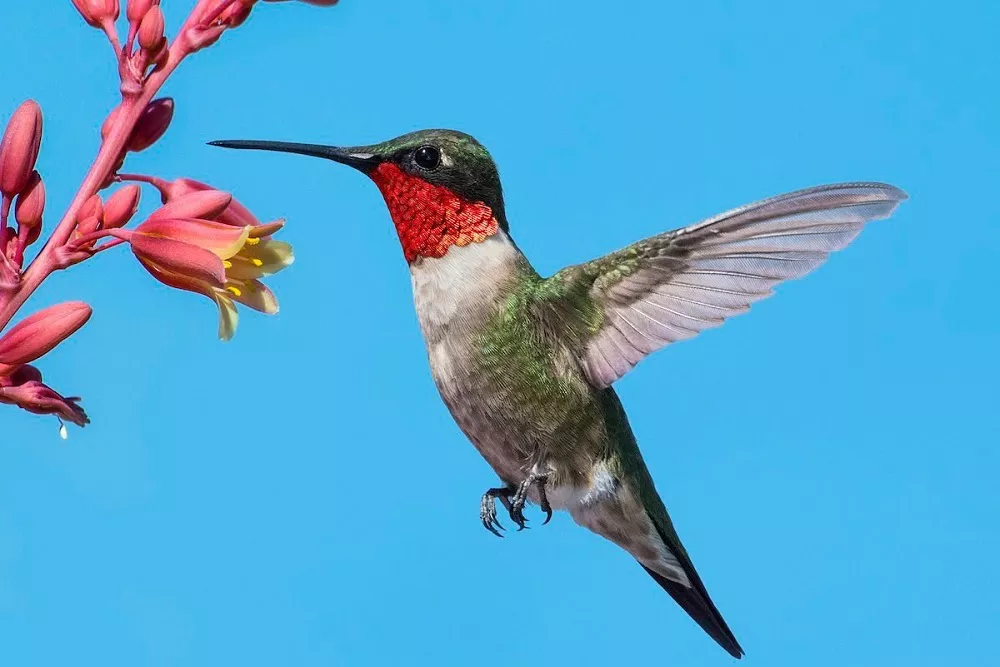
What Types of Bugs Do Hummingbirds Eat?
Hummingbirds are opportunistic insect hunters and will eat many different types of small creatures they can catch.
Common insects and invertebrates eaten by hummingbirds include:
1. Small Flies
Flies are among the most common insects consumed by hummingbirds. They are easy targets because many species fly slowly or hover near flowers.
Hummingbirds often catch:
- Fruit flies
- Gnats
- Midges
- Small flying insects near vegetation
These tiny insects provide a quick source of protein.
2. Mosquitoes
Hummingbirds do eat mosquitoes when they encounter them. Although mosquitoes are not their main food source, they are small enough for hummingbirds to catch while flying.
A hummingbird may capture mosquitoes around:
- Wet areas
- Gardens
- Ponds
- Dense vegetation
However, hummingbirds do not significantly control mosquito populations because mosquitoes are only a small part of their overall diet.
3. Spiders
Spiders are an important food source for many hummingbird species.
Hummingbirds often collect:
- Small spiders
- Spider eggs
- Spider webs containing trapped insects
Spider silk is also valuable because female hummingbirds use it as a building material when constructing their tiny nests.
4. Aphids and Small Soft-Bodied Insects
Hummingbirds commonly eat small insects found on plants, including:
- Aphids
- Leafhoppers
- Small caterpillars
- Scale insects
They may pick these insects directly from leaves and branches, a behavior known as gleaning.
5. Beetles and Other Small Arthropods
Small beetles and other tiny arthropods can also become part of a hummingbird’s diet.
Examples include:
- Tiny beetles
- Mites
- Small grasshoppers
- Insect larvae
Large insects are usually avoided because hummingbirds need prey small enough to swallow easily.
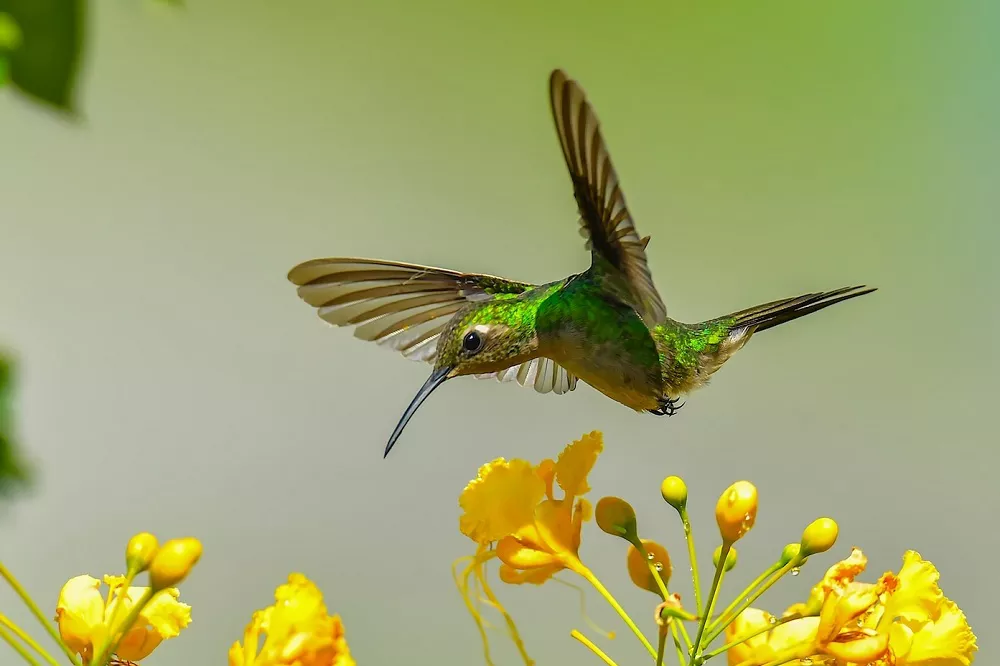
Why Do Hummingbirds Eat Bugs?
1. Bugs Provide Essential Protein
Nectar is rich in sugar but contains very little protein. Protein is necessary for:
- Muscle development
- Feather growth
- Body repair
- Healthy reproduction
Insects fill this nutritional gap.
2. Baby Hummingbirds Depend on Insects
Adult hummingbirds can survive mainly on nectar and insects, but young hummingbirds require a high-protein diet.
Mother hummingbirds feed their chicks a mixture of:
- Small insects
- Spiders
- Regurgitated food
The protein from insects helps chicks grow quickly during their short nesting period.
3. Insects Support High Energy Needs
Hummingbirds have one of the fastest metabolisms among birds. Their wings can beat dozens of times per second, requiring large amounts of energy.
While nectar provides immediate fuel, insects supply nutrients that help maintain their active lifestyle.
How Do Hummingbirds Catch Bugs?
Hummingbirds are highly skilled aerial hunters. Despite their tiny size, they use several techniques to capture insects.
1. Hawking
Hawking is a hunting method where hummingbirds catch insects while flying through the air.
They may:
- Hover briefly
- Spot a flying insect
- Quickly change direction
- Capture the insect with their beak
This technique is common when hunting flies and gnats.
2. Gleaning
Gleaning involves picking insects directly from surfaces such as:
- Leaves
- Tree branches
- Flower stems
- Spider webs
This allows hummingbirds to find hidden insects that are not flying.
3. Spider Web Hunting
Hummingbirds sometimes inspect spider webs because they contain both spiders and trapped insects.
A spider web can provide:
- A ready-made food source
- Nest-building materials
This behavior is especially common among nesting females.
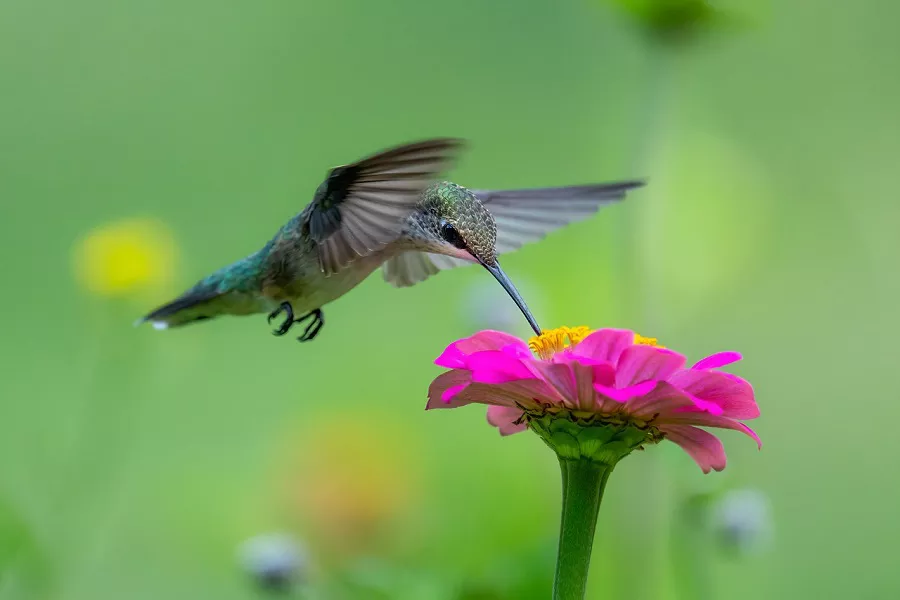
Ruby-throated-Hummingbird
Do Hummingbirds Eat More Bugs Than Nectar?
No. Nectar remains a major part of an adult hummingbird’s diet because it provides the fast energy they need for hovering and flying.
However, insects are a critical supplement.
A hummingbird’s diet changes depending on:
- Season
- Availability of flowers
- Breeding activity
- Local insect populations
During migration or breeding seasons, hummingbirds may increase their insect consumption because they need additional nutrients.
Do Hummingbirds Eat Bugs From Hummingbird Feeders?
Usually, no. Traditional hummingbird feeders contain sugar water, not insects.
However, hummingbirds visiting feeders may also hunt nearby insects. A garden with flowers, trees, and natural insect populations provides both nectar and protein sources.
To support hummingbirds, avoid using broad-spectrum pesticides because they reduce the insects hummingbirds depend on.
How to Attract Insect-Eating Hummingbirds to Your Yard
If you want to encourage hummingbirds to visit your garden, create a habitat that provides both nectar and insects.
Plant Native Flowers
Good hummingbird plants include:
- Bee balm
- Salvia
- Cardinal flower
- Trumpet vine
- Columbine
Native plants attract more insects, creating a natural food source.
Avoid Pesticides
Chemical pesticides can reduce insect populations and remove an important food source for hummingbirds.
Instead:
- Allow some insects to remain
- Grow diverse plants
- Use natural pest control methods
Provide Shelter
Hummingbirds need safe places to rest and hunt.
Helpful features include:
- Shrubs
- Small trees
- Dense vegetation
- Native plants
Do Hummingbirds Eat Spiders?
Yes, hummingbirds eat spiders regularly. Spiders are especially valuable because they provide concentrated protein compared with many small insects.
Female hummingbirds often search spider webs while collecting food because spiders and insects caught in webs provide excellent nutrition for growing chicks.
Do Hummingbirds Eat Ants?
Generally, hummingbirds do not prefer ants. Ants contain chemical defenses that make them less attractive as prey.
However, if other food sources are limited, a hummingbird may occasionally consume very small ants or other insects it encounters.
Do Hummingbirds Eat Bees and Wasps?
Hummingbirds usually avoid bees and wasps.
These insects can sting and are often larger than the tiny prey hummingbirds normally consume. Instead, hummingbirds prefer safer prey such as:
- Gnats
- Flies
- Aphids
- Spiders
Final Thoughts
Although hummingbirds are famous for sipping nectar, bugs are just as important to their survival. Tiny insects and spiders provide the protein and nutrients that nectar cannot, supporting healthy muscles, feathers, reproduction, and the rapid growth of young birds.
Frequently Asked Questions
Do hummingbirds eat mosquitoes?
Yes. Hummingbirds occasionally eat mosquitoes and other tiny flying insects, although mosquitoes are only a small part of their diet.
How many bugs does a hummingbird eat each day?
The exact number varies by species and season. During nesting, a hummingbird may catch hundreds of tiny insects daily to meet its nutritional needs and feed its chicks.
Do hummingbirds eat ants?
Yes. They may eat small ants, especially winged flying ants during mating flights.
Do hummingbirds eat bees?
Usually not. Bees are relatively large and can sting, making them less attractive prey than tiny flies or gnats.
Do hummingbirds eat spiders?
Yes. Small spiders are an important source of protein, and females also collect spider silk for nest building.
 Facebook
  Instagram
  Youtube
 English
  Spanish